
What is Dyneema?
Dyneema, also known as ultra-high molecular weight polyethylene (UHMWPE), is one of the the strongest and lightest fibres in the world. It offers extremely high tensile strength whilst being significantly lighter than conventional materials such as nylon or polyester. In the form of hybrid fabrics, Dyneema is often combined with other materials such as polyester or nylon to increase abrasion resistance and stability without sacrificing the benefits of the ultra-lightweight Dyneema fibre.
Dyneema fabric is not only extremely robust but also highly water-repellent, making it ideal for use in changeable weather conditions. Dyneema is particularly highly valued in ultralight trekking, where every gram counts, due to its lightness and durability.
The advantages of a Dyneema rucksack
A Dyneema rucksack combines the best qualities of a lightweight and durable material, making it particularly well-suited to ambitious outdoor adventures. The benefits at a glance:
- Ultralight and strong: Dyneema is known for its light weight and exceptional strength. A rucksack made from Dyneema offers the same stability as heavier materials, whilst weighing significantly less.
- High water resistance: Dyneema Hybrid is water-repellent and withstands moisture better than many other materials. This means your kit will stay dry even in the rain.
- Durability and abrasion resistance: Thanks to its special structure, Dyneema is extremely abrasion-resistant and resistant to tears and cuts. The material withstands even the harshest conditions, making it a good choice for trekking rucksacks that are subjected to heavy wear and tear.
- Low maintenance Dyneema is easy to look after and resistant to dirt. A rucksack made from Dyneema can simply be wiped down when necessary, making it easier to clean and maintain.
Typical applications for Dyneema materials
Dyneema materials are used in a wide variety of applications due to their special properties. Their exceptional strength and low weight make Dyneema the ideal choice for demanding applications where materials must withstand extreme stresses. Typical areas of application include:
- Thru-hikes and long-distance walks: On multi-day trips or long through-hikes, weight is a crucial factor. Rucksacks made from Dyneema provide the necessary stability and durability without adding unnecessary weight to your load.
- Mountain expeditions: In high-altitude alpine or icy regions, the material is exposed to extreme weather conditions and mechanical wear and tear. Dyneema withstands abrasion, cold and moisture better than many other materials and is therefore ideal for mountaineers and expeditions.
- Water sports: As Dyneema is water-repellent, it is also popular for activities such as kayaking, sailing or packrafting. It protects equipment from moisture and retains its strength even when wet.
- Expeditions: For trips through dense forests or rough terrain, where rucksacks and bags often scrape against branches and rocks, the tear and abrasion resistance of Dyneema is a major advantage.
Alternatives to Dyneema textiles
Whilst Dyneema is very popular due to its unique properties, there are also other high-quality materials that are suitable for ultra-lightweight and robust rucksacks. These alternatives offer similar benefits and are also ideal for demanding trekking adventures:
Ultra 200 From Challenge Sailcloth: Ultra 200 is another extremely robust, lightweight fabric designed specifically for outdoor equipment. It consists of a blend of UHMWPE fibres very similar to Dyneema and offers excellent abrasion resistance. Ultra 200 is water-repellent and durable, making it an attractive choice for lightweight rucksacks that are subject to heavy use.
X-Pac UX10 From Dimension-Polyant: UX10 is a very lightweight material from the X-Pac series, developed specifically for ultra-lightweight applications. It combines a durable polyester surface with UHMWPE fibres and offers an excellent balance between weight and strength. UX10 is suitable for use in demanding conditions and offers similar advantages to Dyneema, but often at a lower price. It is also water-repellent and has high tear resistance.
Each of these materials has its own strengths and is designed to meet the needs of ultralight trekkers looking for a combination of low weight and high durability. At our WeitLäufer factory, we offer not only the Dyneema Hybrid in the Agilist and Endurist models, but also options in UX10 and other high-quality materials, so you can choose exactly the material that best suits your individual adventures.
Disadvantages of a Dyneema rucksack
Despite its many advantages, Dyneema also has a few drawbacks that you should bear in mind before buying a rucksack. The choice of material depends heavily on your intended use and personal priorities:
- High price Dyneema textiles are among the most expensive materials in the outdoor sector. The manufacturing process is complex and demand is high in specialist markets such as ultralight trekking, which drives up the price. For many outdoor enthusiasts, this is one of the biggest hurdles when buying a Dyneema rucksack.
- Lower abrasion resistance on rough surfaces: Although Dyneema offers high tear strength and tensile strength, it exhibits lower abrasion resistance on rough surfaces (such as sharp-edged rock or rough tarmac) compared with some coated or reinforced materials. This can lead to premature wear during intensive, rough off-road use.
- Low flexibility and stiffness: Dyneema fabrics are often stiffer and less flexible than other materials such as nylon or polyester. This can result in a “crinkly” feel and reduced adaptability, which may compromise comfort if the rucksack is not packed properly. For some users who value a soft and supple material, this is a drawback.
- UV sensitivity Dyneema may lose some of its strength when exposed to intense, prolonged sunlight. Although its UV resistance is better than that of some other synthetic fibres, it is still advisable not to leave the rucksack lying in the sun unprotected for long periods.
It is important to bear these drawbacks in mind in order to make an informed decision. For many adventurers, however, Dyneema rucksacks still offer clear advantages – particularly for trips where low weight and high tear resistance are priorities. However, anyone looking for greater durability in tough conditions and on a tighter budget should also consider alternatives such as the Ultra 200 or UX10.
Sources:
- Hyperlite Mountain Gear Blog explains the production processes and cost factors of Dyneema.
- Section Hiker describes the differences in abrasion resistance between Dyneema and other outdoor materials.
- Reddit r/Ultralight provides a discussion of the stiffness and feel of Dyneema compared with ripstop nylon.
- Adventure Alan reports on UV sensitivity and long-term outdoor use of Dyneema.
- Zpacks provides guidance on the care and UV sensitivity of Dyneema-based rucksacks and equipment.
The WeitLäufer, Agilist and Endurist – now also available as the Dyneema Hybrid
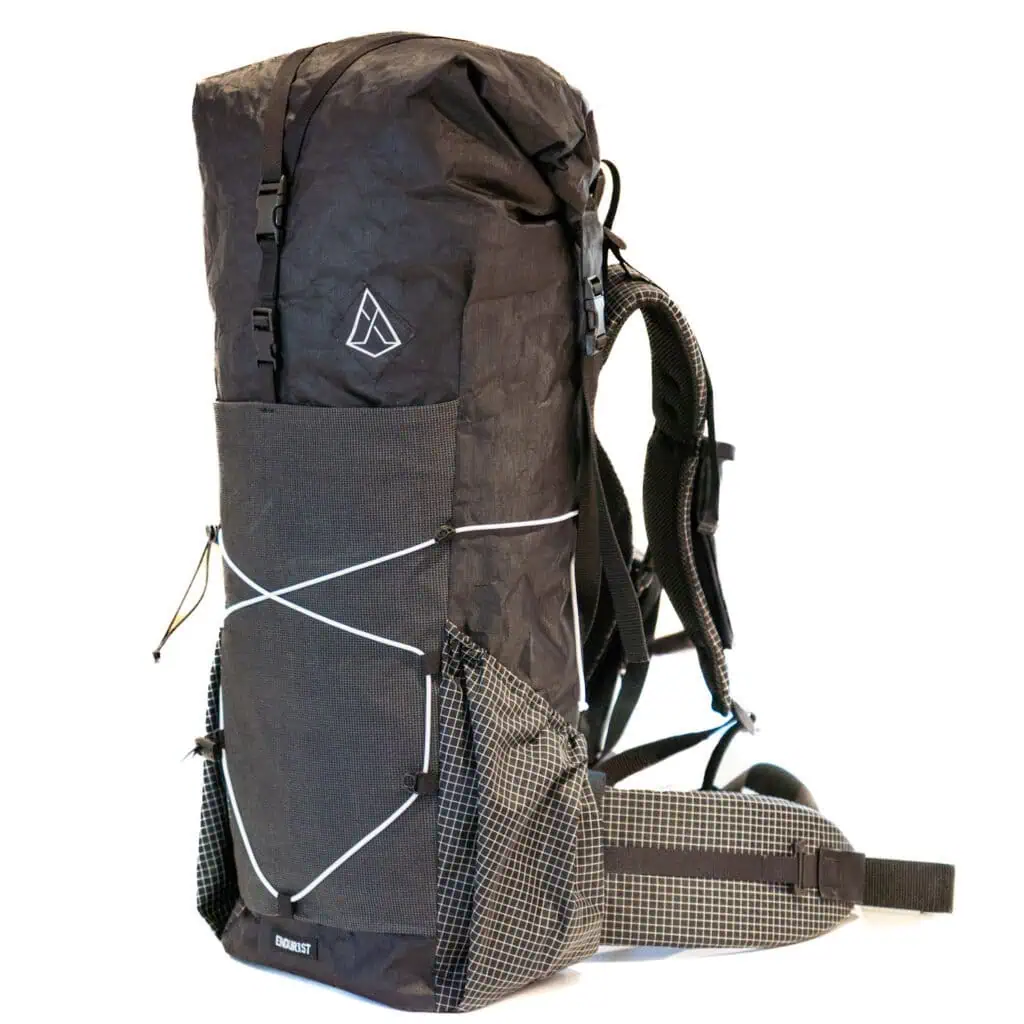
At our WeitLäufer rucksack workshop, we place particular emphasis on quality, lightness and individuality. The Agilist and the Endurist are our two most popular models for ultralight trekking and challenging tours. Both rucksacks can now also be configured with the Dyneema Hybrid, which gives them extra stability and water resistance – perfect for long trekking tours and demanding conditions.
WeitLäufer Agilist – The ultra-light rucksack for big adventures
The Agilist is our ultra-light trekking rucksack with a total volume of 54 litres. With the option to configure it as the Dyneema Hybrid, it becomes even more robust and weather-resistant, without compromising on its lightness and minimalist design. The Agilist is particularly well-suited to thru-hikes, Alpine crossings and multi-week tours where every gram counts. With the Dyneema Hybrid material, it is perfect for outdoor enthusiasts looking for an ultra-light yet extremely durable rucksack.
WeitLäufer Endurist – The robust all-rounder for heavy loads
The Endurist is our rucksack designed for demanding conditions and heavy loads. It features a carrying system capable of handling loads of up to 18 kg and offers a capacity of 65 litres. In the Dyneema Hybrid version, the Endurist becomes even more robust and weather-resistant. It is the perfect choice for hikers looking for a sturdy and durable solution for their adventures, whilst benefiting from the advantages of an ultra-lightweight material.

Why Dyneema for WeitLäufer?
As a manufacturer of ultra-lightweight, high-quality trekking rucksacks, our aim is to offer products that are not only lightweight but also durable and customisable. Dyneema Hybrid fits perfectly with our philosophy: It is a premium material that meets the specific requirements of our customers who value quality and durability. The option to choose between Dyneema Hybrid and VX21 gives you, the customer, the freedom to configure exactly the rucksack that suits your needs.
Whether it’s thru-hiking, crossing the Alps or multi-day trekking tours – a Dyneema rucksack perfectly combines lightness and durability. The WeitLäufer, Agilist and Endurist are not only available in the classic material options, but now also in the Dyneema hybrid version to meet even the most demanding requirements. Thanks to the customisation options for our rucksacks, you can choose exactly the right combination of lightness and robustness to suit you and your adventures.
Discover the possibilities of the Dyneema option at WeitLäufer now and find the rucksack that’s perfect for your adventures!