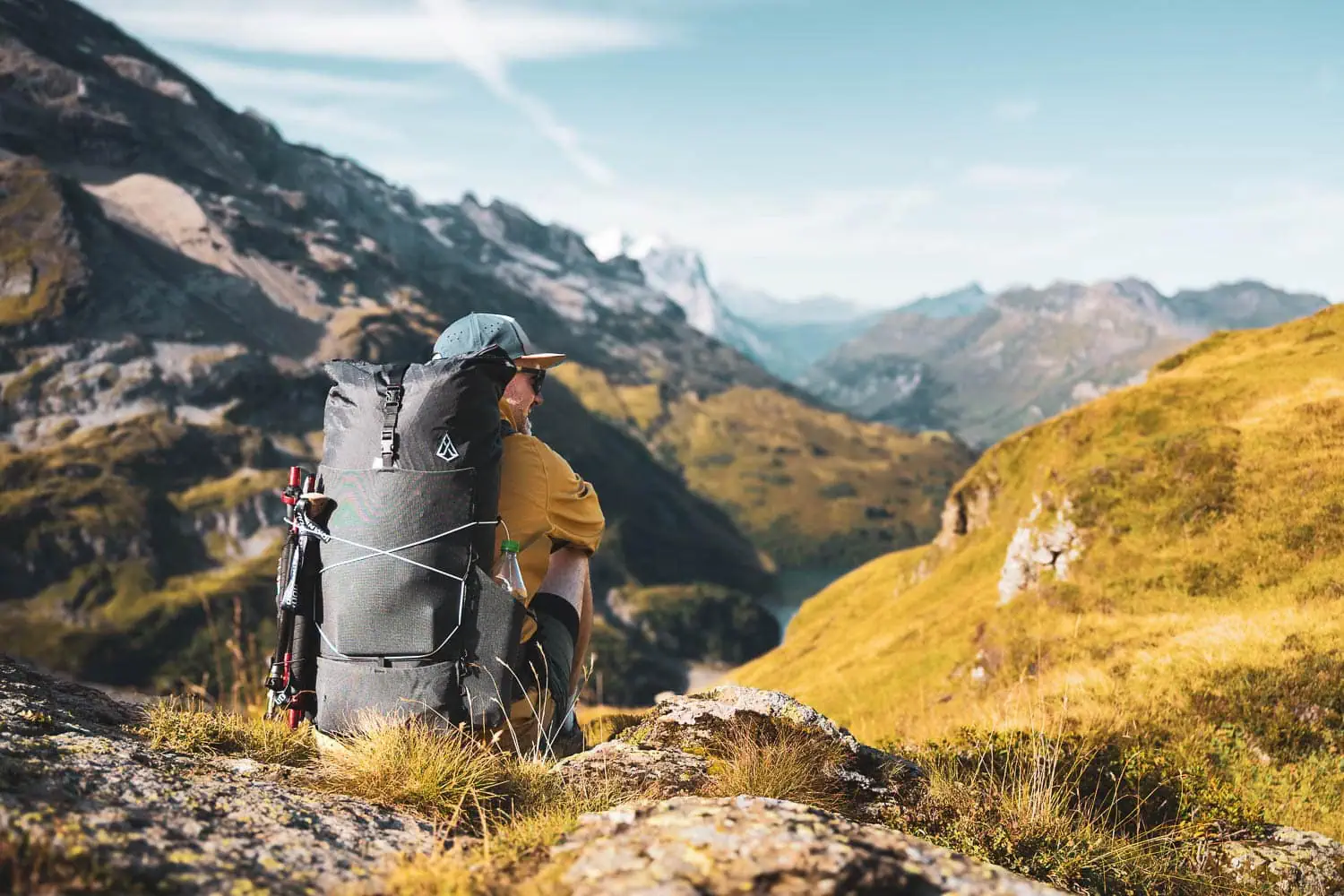
In this guide, we will go through all the important topics you need on your way to your own lightweight setup. What ultralight trekking is all about, how to systematically save weight, what really counts for the Big Four (backpack, sleeping system, sleeping mat, shelter), how to reduce food, hygiene, and electronics to the essentials, and what a concrete packing list for a three-day trip looks like. With experience from ten years on long trails and the workshop perspective of someone who builds UL backpacks himself.
What is ultralight trekking?
Ultralight trekking (UL for short) refers to trekking when the Basis weight that the equipment weighs.
For classification into the other trekking classes:
| Excellent | Basis weight | Typical setup |
|---|---|---|
| Ultralight (UL) | under 5 kg | Trail runner, quilt, tarp, or UL tent, water filter |
| Light | Under 10 kg | Classic UL lightweight setup, light rucksack, medium tent |
| Traditionally | over 10 kg, often 15 to 20 | Heavy-duty trekking rucksack, fully equipped sleeping bag, double-wall tent |
The base weight is therefore the key figure because it is always carried, regardless of the tour length or the chosen provisions. Anyone who reduces their setup to 5 kg will carry approximately 7 kg on a weekend tour, and perhaps 12 kg on a three-week self-sufficient tour with full provisions. Anyone starting with a base weight of 12 kg will quickly reach 18 to 22 kg on the same tour. Over 30 days, this makes a significant difference when hiking.
Why it's worth hiking lighter
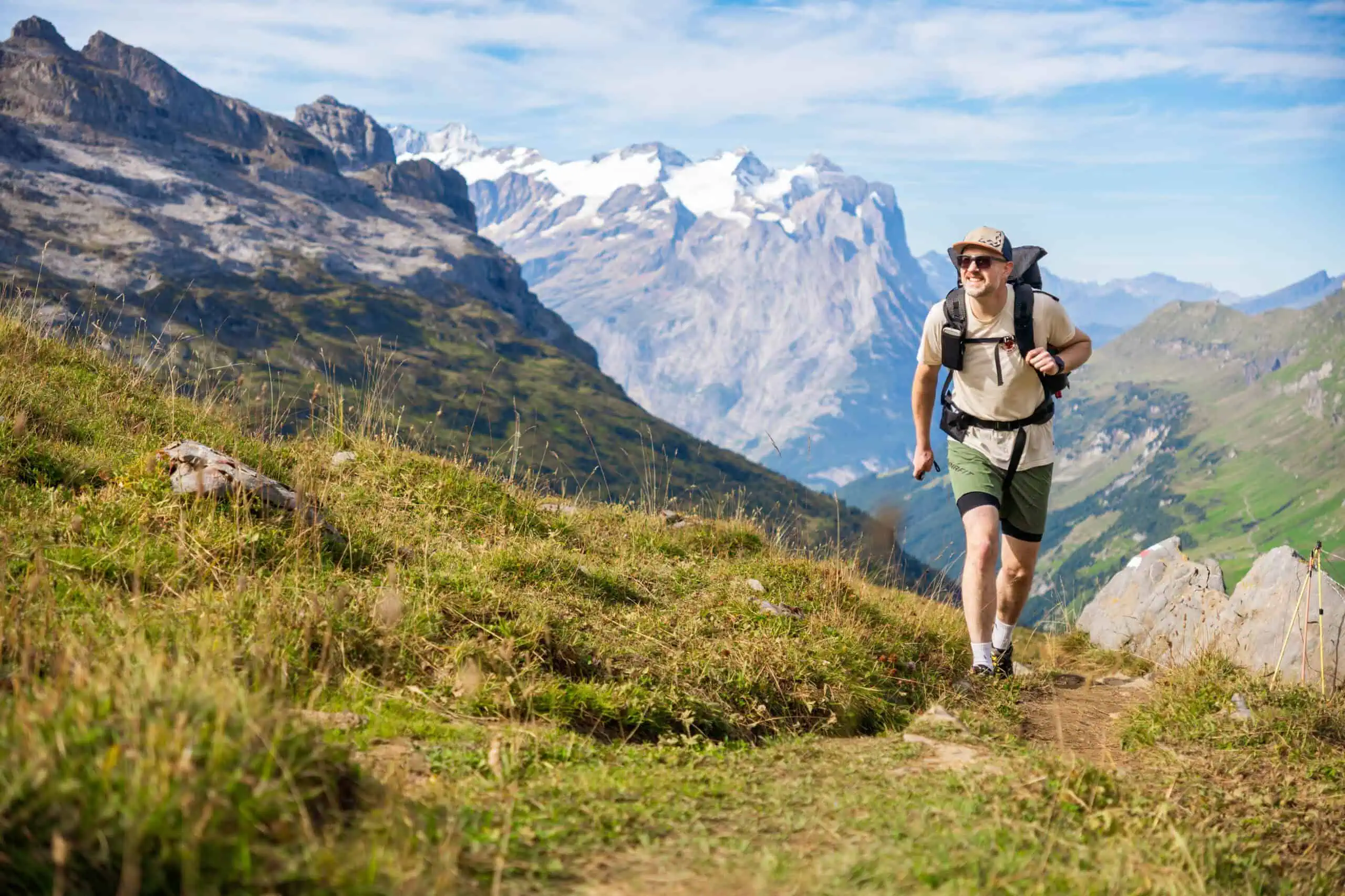
Easier hiking means, in practice, above all, enjoying the natural experience more intensely and relaxed. A lower backpack weight ensures greater freedom of movement and less strain on joints and back. It reduces the risk of overexertion and injuries, allows for longer daily stages, provides more flexibility in route choice, and makes the landscape an immediate, stress-free experience.
Many who have travelled with a base weight of five kilos describe it as rediscovering the joy of being on the road: more energy on day 5 and day 15, more spontaneity in planning daily stages, honest recovery in the evening instead of exhaustion. Those who reduce to the essentials gain freedom and comfort.
Specifically, UL trekking brings these advantages:
- More energy Less baggage means longer daily stages or relaxed hiking with more enjoyment.
- Less strain The back, shoulders, knees, and the entire musculoskeletal system benefit. Bladder problems and tension occur less frequently.
- More restful nights: A lighter setup often leads to better recovery and increased performance the next morning.
- More security and flexibility Travelling light improves your sure-footedness, especially in challenging terrain.
- Minimalism in practice: Less luggage means more freedom and space for real experiences instead of managing your own gear.
The aim is not to save every last gram, but to reduce as much weight as possible without compromising on safety or comfort. Ultralight trekking is not an expensive trend, but a process. Not every purchase needs to be replaced immediately. Much can be optimised, combined or made yourself, keyword „MYOG“ (Make Your Own Gear).
The Philosophy Behind Minimalism
Ultralight trekking is more than just saving weight; it's a conscious decision for the essential. The philosophy is based on three pillars.
Minimalism. Every piece of equipment will be scrutinised and must offer genuine added value. Anything taken „just in case“ will be recognised for what it is: extra weight you'll carry every metre of the way without ever using it.
Functionality. Function takes precedence over anything superfluous, with multifunctional equipment being preferred. A buff that doubles as a hat, headband, scarf, and sleep mask replaces four individual items. A rain jacket that also functions as a windbreaker makes a separate windbreaker redundant.
Thirst for adventure. Instead of carrying excess baggage, it's about experiencing nature directly, responding flexibly to situations, and focusing on what truly matters: the outdoor experience.
Myths and prejudices surrounding ultralight trekking
There are many misconceptions surrounding UL trekking. Four of them are particularly persistent.
Myth 1: Ultralight gear is unsafe or not durable. In practice, modern UL kit is technically mature and, when used correctly, can be extremely durable. Materials such as Ultra 200X, Dyneema Composite Fabric or X-Pac VX21 are in some respects comparable to the heavy Cordura fabrics used in trekking rucksacks from the 1990s. What UL materials cannot withstand is rough handling and incorrect loading. With a little care, good UL gear will last for years.
Myth 2: Lightweight is only for professionals or extreme athletes. In fact, all hikers benefit from a lower weight, whether they are beginners or experienced. Beginners, in particular, notice the difference most clearly because their muscles are not yet accustomed to heavy loads. A shorter day's hike with a five-kilo base weight is simply more enjoyable than a long one with twelve.
Mythos 3: Ultraleicht-Trekking ist zwangsläufig teuer. Stimmt nur bedingt. Spitzenmaterial hat seinen Preis (ein Quilt aus hochwertigem Daunen kostet schnell 400 Euro, ein UL-Zelt aus Dyneema 700+ Euro), aber mit klugen Entscheidungen, Second-Hand-Käufen oder DIY-Lösungen lassen sich erhebliche Kosten sparen. Ein gut gepflegter Daunen Schlafsack hält 10 bis 15 Jahre, das relativiert die Anschaffung mit der Zeit.
Mythos 4: Ultraleicht heißt Verzicht auf Komfort. Das Gegenteil ist der Fall. Wer abends weniger erschöpft am Lagerplatz ankommt, hat mehr vom Abend und eine erholsamere Nacht. Wer morgens mit weniger Verspannungen aufwacht, hat mehr vom nächsten Tag. Komfort und Gewicht stehen nur scheinbar im Widerspruch. Letztlich ist Ultraleicht-Trekking kein Dogma, sondern eine individuelle Herangehensweise, die Freiheit und Komfort neu definiert.
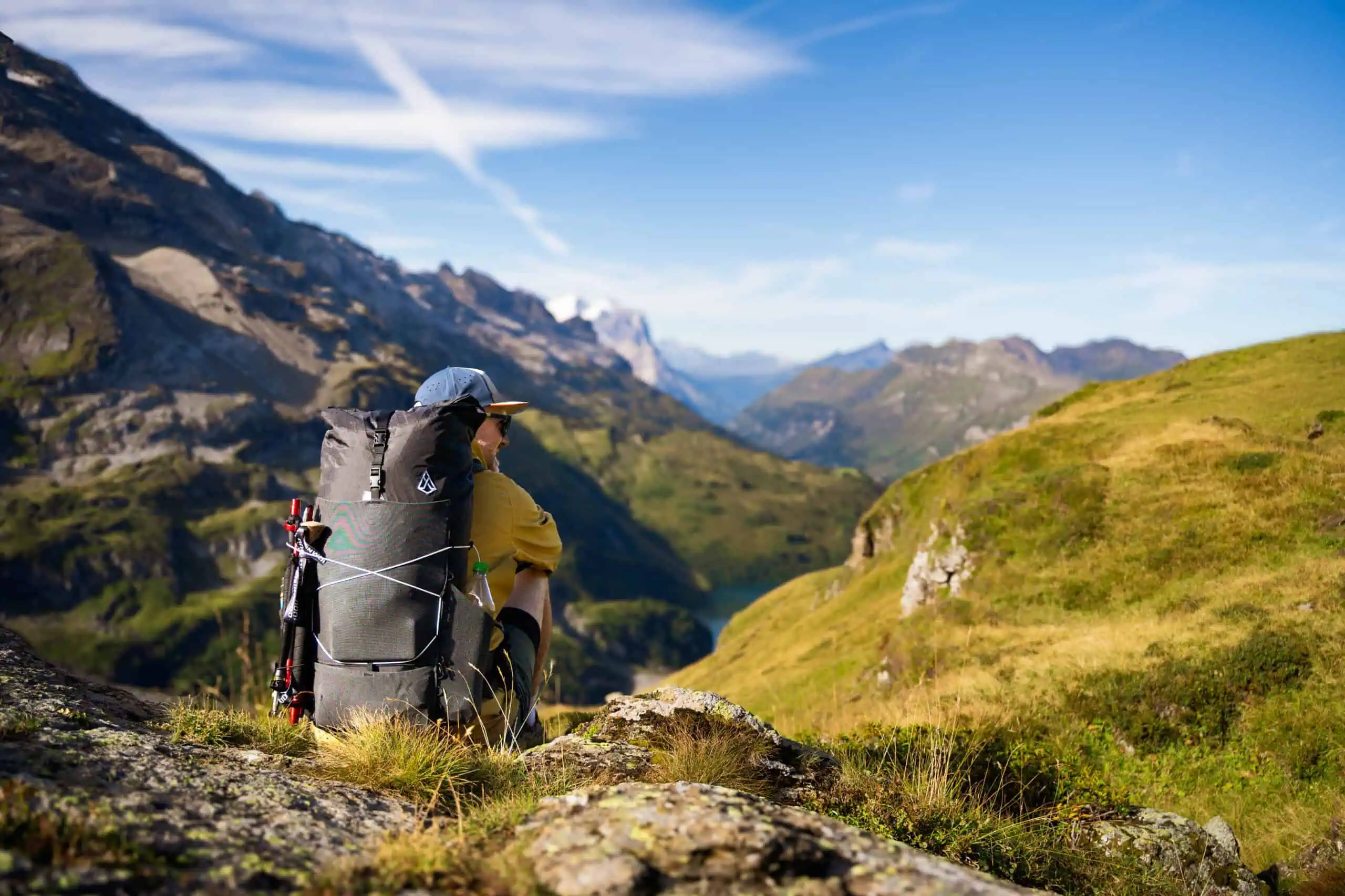
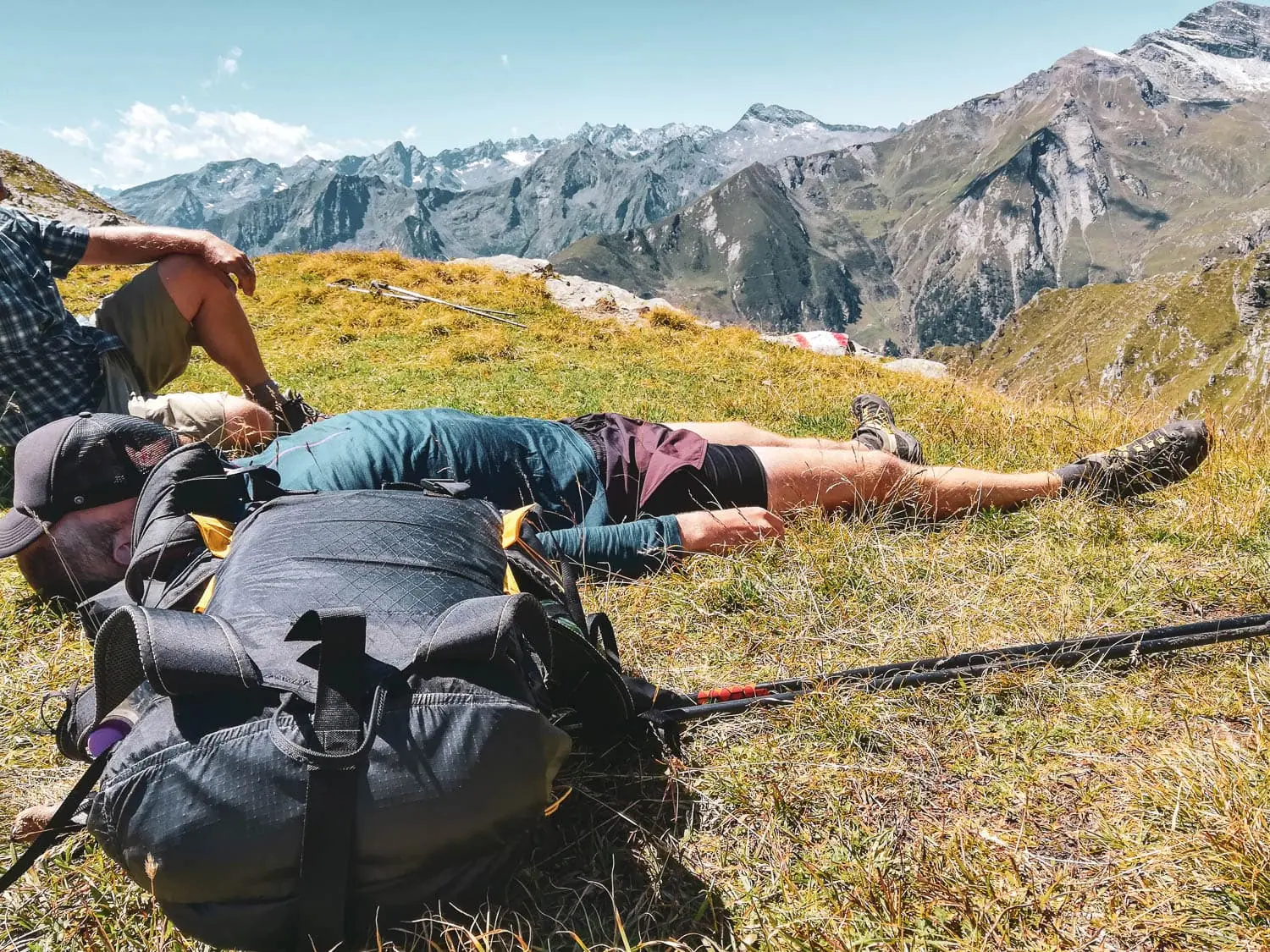
Dein Weg zum eigenen Setup
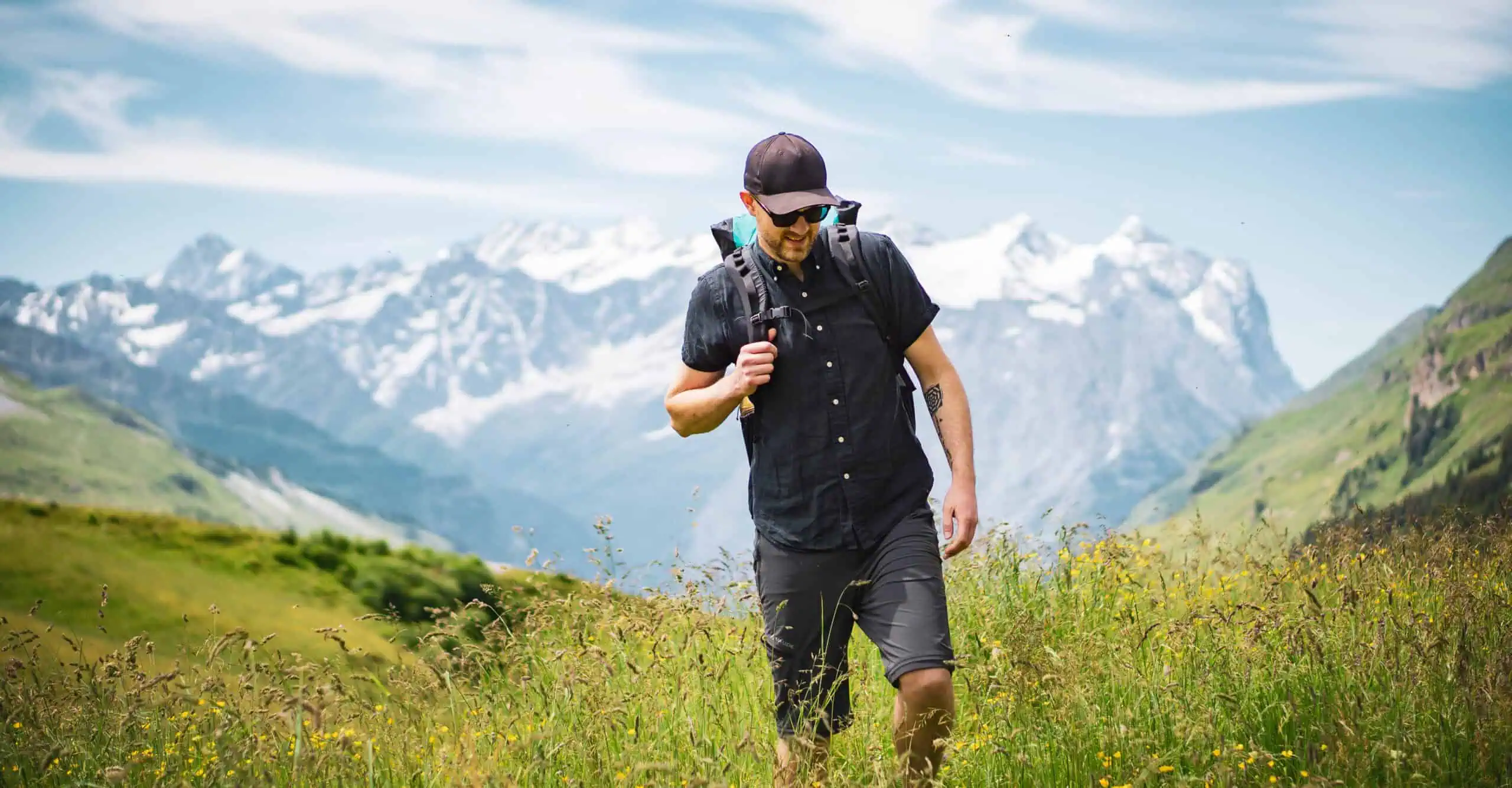
Der Einstieg ins Ultraleicht-Trekking ist ein Prozess, der sich in mehreren überschaubaren Schritten umsetzen lässt. Es geht nicht darum, von heute auf morgen die gesamte Ausrüstung zu ersetzen. Schritt für Schritt Gewicht zu sparen und die Ausrüstung immer besser an die eigenen Bedürfnisse anzupassen, führt nachhaltiger zum Ziel.
Bestandsaufnahme machen
Verschaffe dir einen genauen Überblick über deine aktuelle Ausrüstung und ihr Gewicht. Eine Küchenwaage (gibt es ab wenigen Euro) ist das wichtigste UL-Werkzeug überhaupt. Erst wenn du weißt, dass dein „leichtes“ Handtuch 180 g wiegt, kannst du informiert entscheiden.
Konsequent ausmisten
Sortiere alles aus, was nicht wirklich notwendig ist. Vergleiche dabei mit deiner letzten Tour: was war im Einsatz, was blieb die ganze Zeit im Rucksack? Letzteres kann beim nächsten Mal bei vergleichbaren Touren getrost zu Hause bleiben.
Die Big Four optimieren
Finde die größten Einsparpotenziale bei Rucksack, Schlafsystem, Unterkunft und Isomatte. Hier liegen 60 bis 80 Prozent des Gesamtgewichts, hier gibt es die größten Hebel.
Kleinigkeiten nicht unterschätzen
In vielen Details steckt zusätzliches Gewicht: von der Verpackung über Hygieneartikel bis zur Powerbank. Drei Wechselshirts statt zwei sind 200 g, eine 20.000-mAh-Powerbank statt 10.000 mAh sind 200 g, ein dickes Handtuch statt Microfaser sind 200 g. Das summiert sich.
Nach jeder Tour reflektieren
Notiere dir, was du wirklich gebraucht hast und was im Rucksack geblieben ist. So entwickelst du Schritt für Schritt ein leichtes, individuell passendes Setup und steigerst Komfort, Sicherheit und Freude am Wandern.
Bestandsaufnahme: so wiegst und dokumentierst du deine Ausrüstung
Bevor du etwas austauschst oder weglässt, wiege zunächst alle Ausrüstungsgegenstände, am besten mit einer einfachen Küchenwaage. Erstelle eine Liste in Excel, im Notizbuch oder mit einem Tool wie LighterPack (kostenlos online) und berechne dein Basisgewicht. Wichtig: nur Ausrüstung, keine Verbrauchsgüter wie Essen, Wasser oder Brennstoff.
Der Austausch mit anderen Trekking-Begeisterten, etwa in UL-Foren oder Facebook-Gruppen, hilft bei der Einschätzung spezieller Ausrüstungsdetails. Was wiegt eigentlich eine sinnvolle Stirnlampe? Wie schwer ist ein guter Wasserfilter? Solche Vergleichswerte sind wertvoller als das eigene Bauchgefühl.
Ausmisten und Optimieren: was wirklich ins Gepäck gehört
Oft reicht der Blick auf die letzte Tour. Was war im Einsatz, was blieb im Rucksack? Sortiere nach jeder Tour radikal aus und stelle dir bei jedem Teil drei Fragen: Brauche ich das wirklich? Erfüllt es einen konkreten Zweck auf dieser Tour? Gibt es eine leichtere oder multifunktionale Alternative?
Typische Streichkandidaten:
- Bücher, schwere Beutel, Hardshell-Cases: Kindle oder Handy-Bibliothek statt Roman, Ziploc statt Hardshell-Box.
- Überflüssige Wechselwäsche: Merinowolle statt Baumwolle, weil Merino mehrere Tage geruchsneutral bleibt und schnell trocknet.
- Normale Handtücher: ein Mikrofaser-Handtuch wiegt 30 bis 60 g, ein normales 200 bis 400 g.
- Multifunktionsmesser mit zu vielen Tools: ein kleines Klappmesser oder Victorinox Classic reicht für 95 Prozent aller Reparaturen.
Was übrig bleibt, ist deine individuell angepasste, optimierte Ausrüstung, bereit für mehr Komfort und Freude auf den nächsten Touren.
Die Big Four: hier sparst du am meisten Gewicht
Der größte Schritt in Richtung Ultraleicht-Trekking gelingt mit der Optimierung der sogenannten Big Four, also der vier schwersten und zugleich wichtigsten Ausrüstungsgruppen für Mehrtagestouren: Rucksack, Zelt oder Tarp, Schlafsack oder Quilt, und Isomatte. Während viele Trekker früher mit 10 bis 12 kg Basisgewicht starteten, lassen sich durch gezielte Anpassungen an diesen vier Kategorien oft mehrere Kilogramm einsparen, ohne Einbußen bei Komfort oder Sicherheit.
Ultraleichter Rucksack
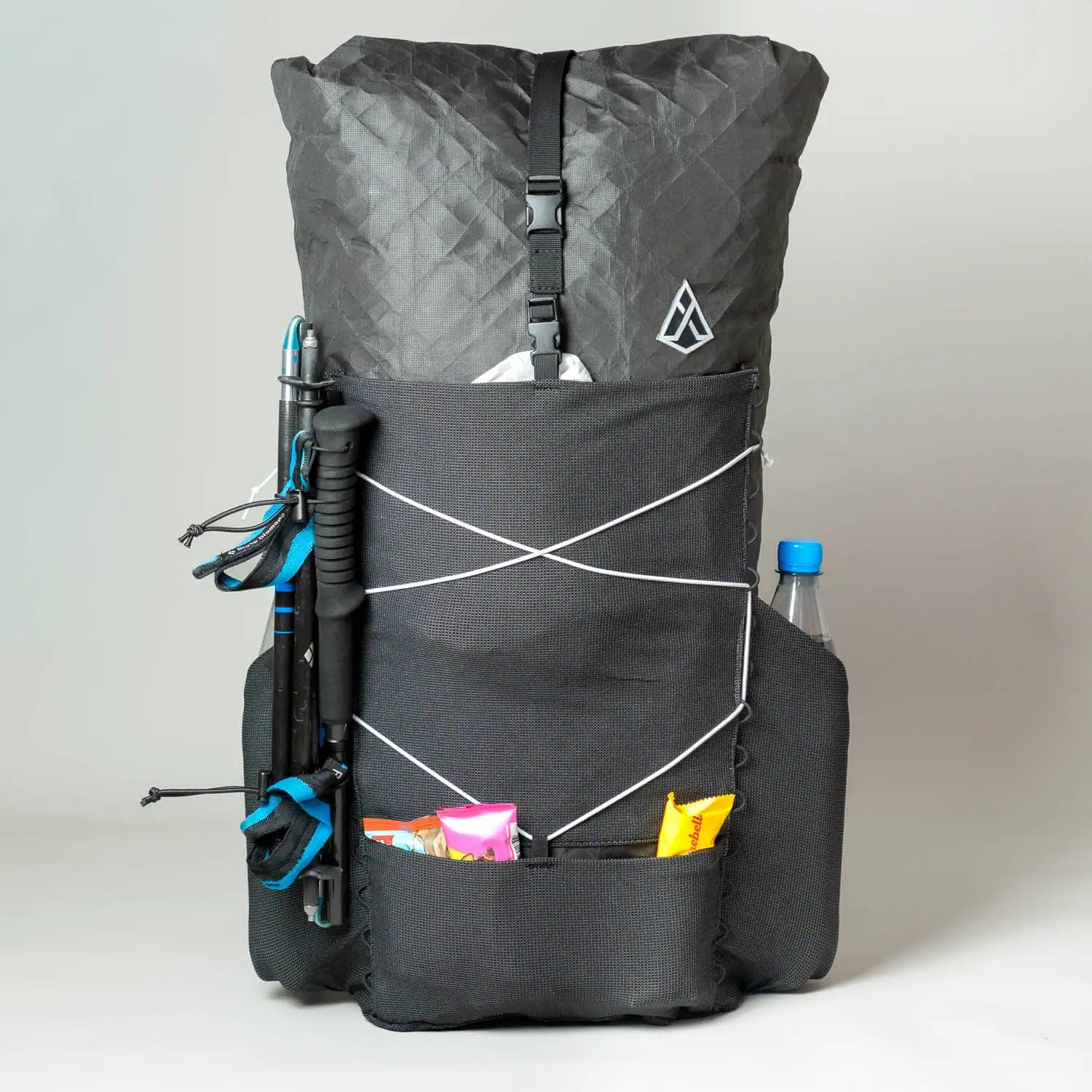
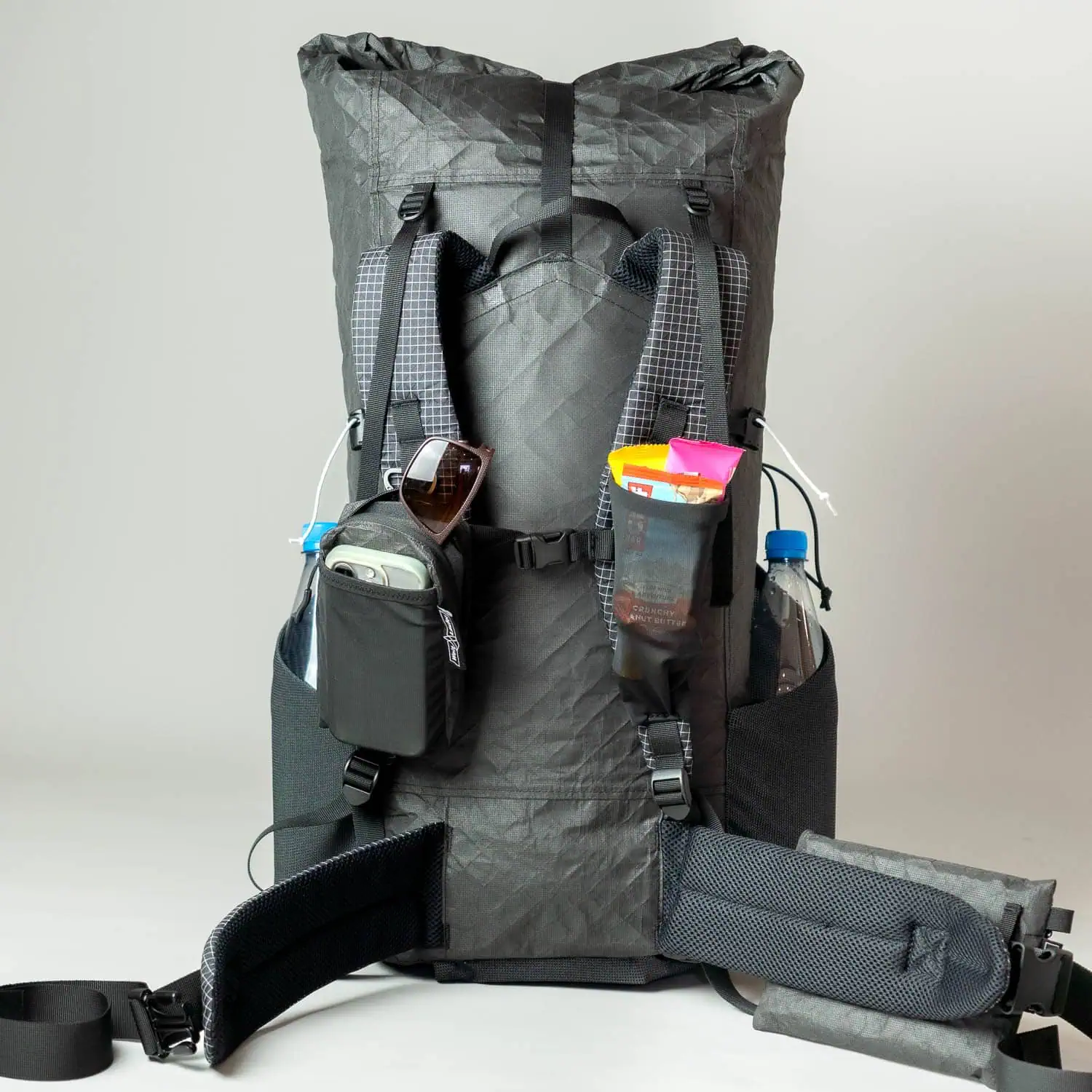
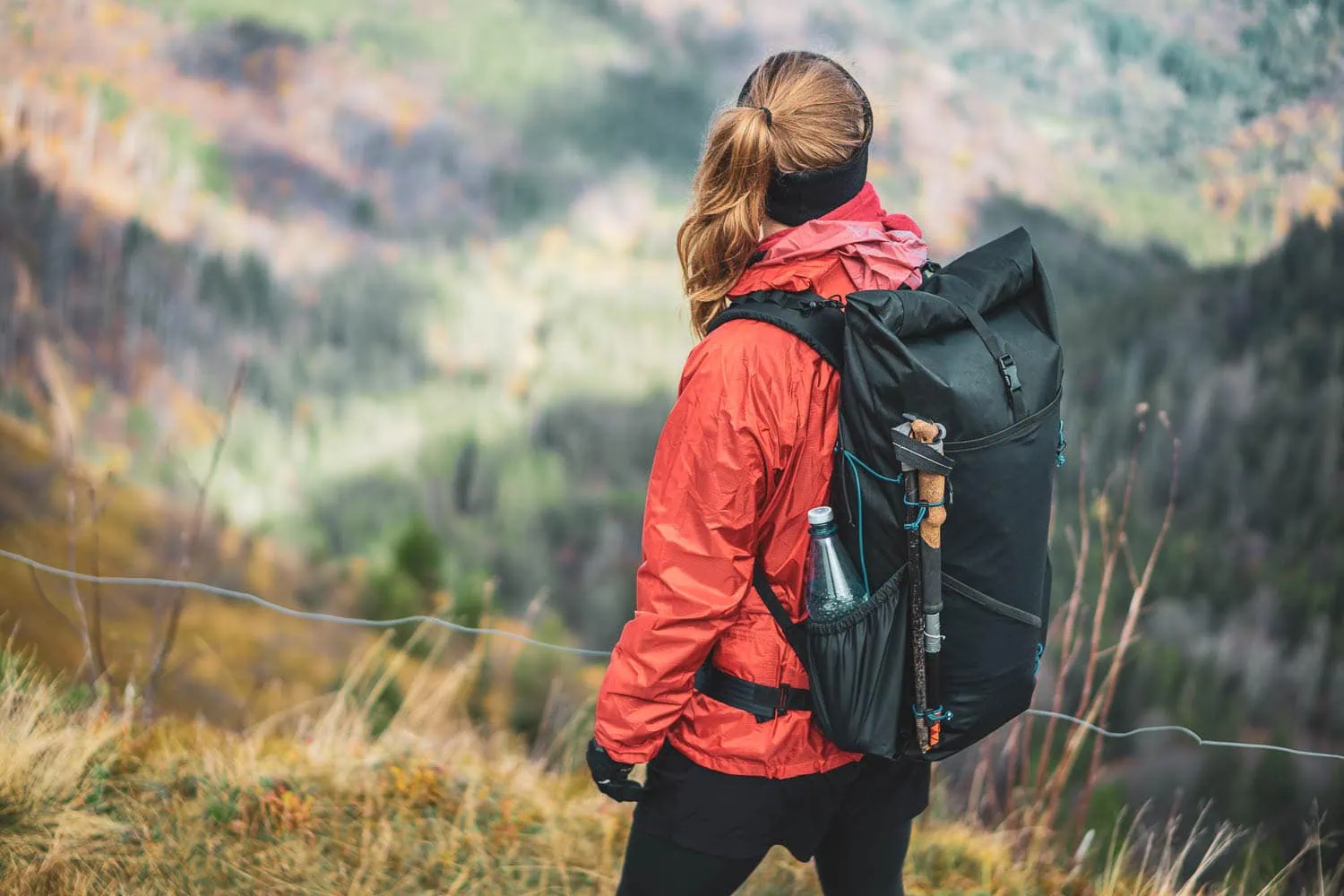
Der Rucksack ist das Herzstück jeder Trekking-Ausrüstung. Während traditionelle Modelle mit schweren Alurahmen und dicken Polstern schnell 2 bis 3 kg auf die Waage bringen, wiegen moderne Ultraleicht-Rucksäcke oft nur 400 bis 700 Gramm und bieten dabei genug Stabilität und Komfort für Touren bis zu mehreren Wochen.
UL-Modelle wie der Agilist verzichten bewusst auf überflüssige Features und setzen stattdessen auf clevere Materialwahl, effizientes Design und ein minimalistisches Tragesystem. Gerade bei Basisgewichten bis 7 kg ist ein aufwendiges Tragegestell nicht mehr notwendig: das reduziert Gewicht und motiviert zu einer bewusst sparsamen Packweise.
Ein Rucksackvolumen von 35 bis 55 Litern ist für Ultraleicht-Trekking meist ideal. Dadurch bleibt wenig Raum für unnötige Extras, und du wirst automatisch dazu angehalten, deine Ausrüstung auf das Wesentliche zu reduzieren. Achte bei der Auswahl auf eine ausreichende Polsterung von Schulter- und Hüftgurten, die passende Rückenlänge und hochwertige, wetterfeste Materialien. So bleibt der Tragekomfort auch auf langen Etappen hoch und du hast lange etwas von deinem Rucksack.
Schlafsystem: Schlafsack, Quilt, Isomatte
Schlafsäcke und Quilts
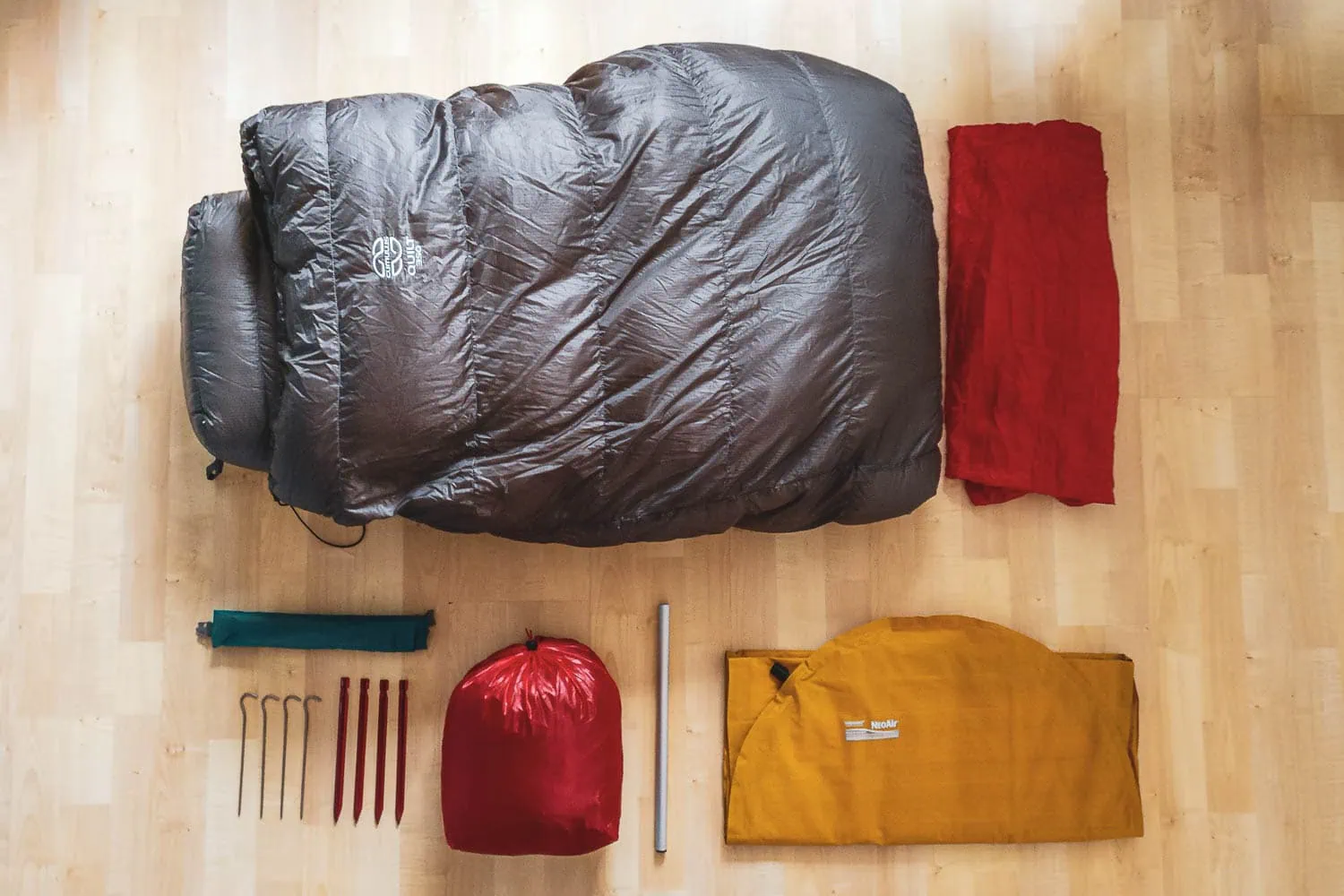
Ein leichter und warmer Schlafplatz ist für erholsame Nächte auf Tour unerlässlich. Moderne Schlafsäcke mit hochwertigen Daunen- oder Synthetikfüllungen wiegen oft zwischen 500 und 800 Gramm und bieten dabei zuverlässigen Kälteschutz bis an den Gefrierpunkt.
Quilts gehen noch einen Schritt weiter: sie verzichten auf einen klassischen Reißverschluss und die isolierte Rückenpartie, da diese beim Liegen ohnehin zusammengedrückt wird und in dieser Form keine Isolationsleistung mehr erbringt. Das spart Gewicht und Volumen, ohne auf Komfort zu verzichten. Schlafkleidung oder die Isomatte übernehmen die Isolationsaufgabe an der Unterseite. Quilts sind bei fortgeschrittenen UL-Wanderern besonders beliebt, weil ein 5-Grad-Komfort-Quilt mit Daune unter 500 g wiegen kann.
Isomatten
Eine gute Isomatte sorgt nicht nur für bequemen Schlaf, sondern schützt auch zuverlässig vor Bodenkälte. Ultraleichte Luftmatten bieten bei 300 bis 500 Gramm Gewicht und 5 bis 7 cm Dicke erstaunlichen Komfort, nehmen wenig Platz weg und lassen sich kompakt verstauen. Aktuelle Top-Modelle wiegen unter 400 g und sind besonders für Seitenschläfer ein Segen.
EVA-Schaummatten sind besonders robust, preisgünstig und ultraleicht (200 bis 350 g), bieten jedoch weniger Komfort. Für Minimalisten und als Notlösung bewährt, aber nach mehreren Wochen merkst du jeden Stein.
The R-Wert einer Matte gibt an, wie gut sie isoliert. Für die meisten Drei-Jahreszeiten-Touren genügt ein Wert von 2 bis 3. Wer im Frühling oder Herbst noch unter dem Gefrierpunkt unterwegs sein will, sollte auf R-Wert 4 oder höher gehen.
Schutz und Unterkunft: Zelt, Tarp, Bivy
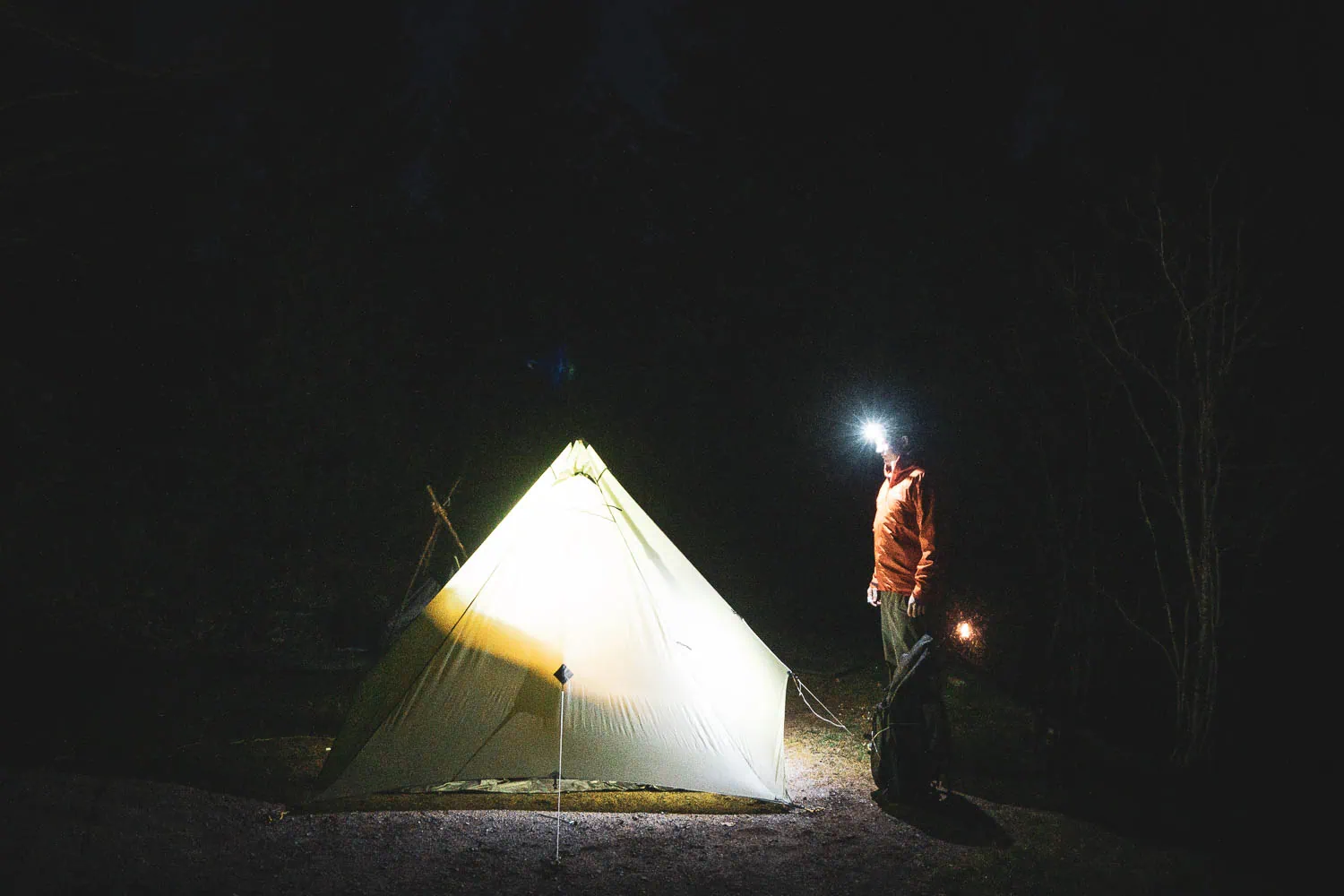
Deine Unterkunft ist nicht nur Schutz vor Wetter, sondern entscheidet auch über Flexibilität, Gewicht und Packmaß. Ultraleicht-Zelte mit Einwand-Konstruktion, leichten Materialien und kompaktem Packmaß wiegen heute oft unter 1.000 g für Solotouren und unter 1.500 g für zwei Personen. Beliebte Materialien sind Silnylon, Dyneema Composite Fabric (DCF) und beschichtetes Polyester.
Tarps sind die puristischste Form: einfache Planen mit 200 bis 400 g Gewicht. Sie benötigen etwas Erfahrung im Aufbau, weil die Abspannung mit Trekkingstöcken und Heringen geübt sein will. Dafür bieten sie maximale Flexibilität und das intensivste Naturerlebnis (man schläft praktisch unter freiem Himmel mit Dach). Kombinierst du ein Tarp mit einem Bivy (eine Art Schlafsackhülle), erreichst du leichten und robusten Wetterschutz mit minimalem Gesamtgewicht. 350 g Tarp plus 200 g Bivy ergeben 550 g für ein vollwertiges Schutzsystem, gegen 1.500 g bei einem Standard-Zelt.
Weitere Ausrüstung im Detail
Bekleidung: Schichtenprinzip und Wetterschutz
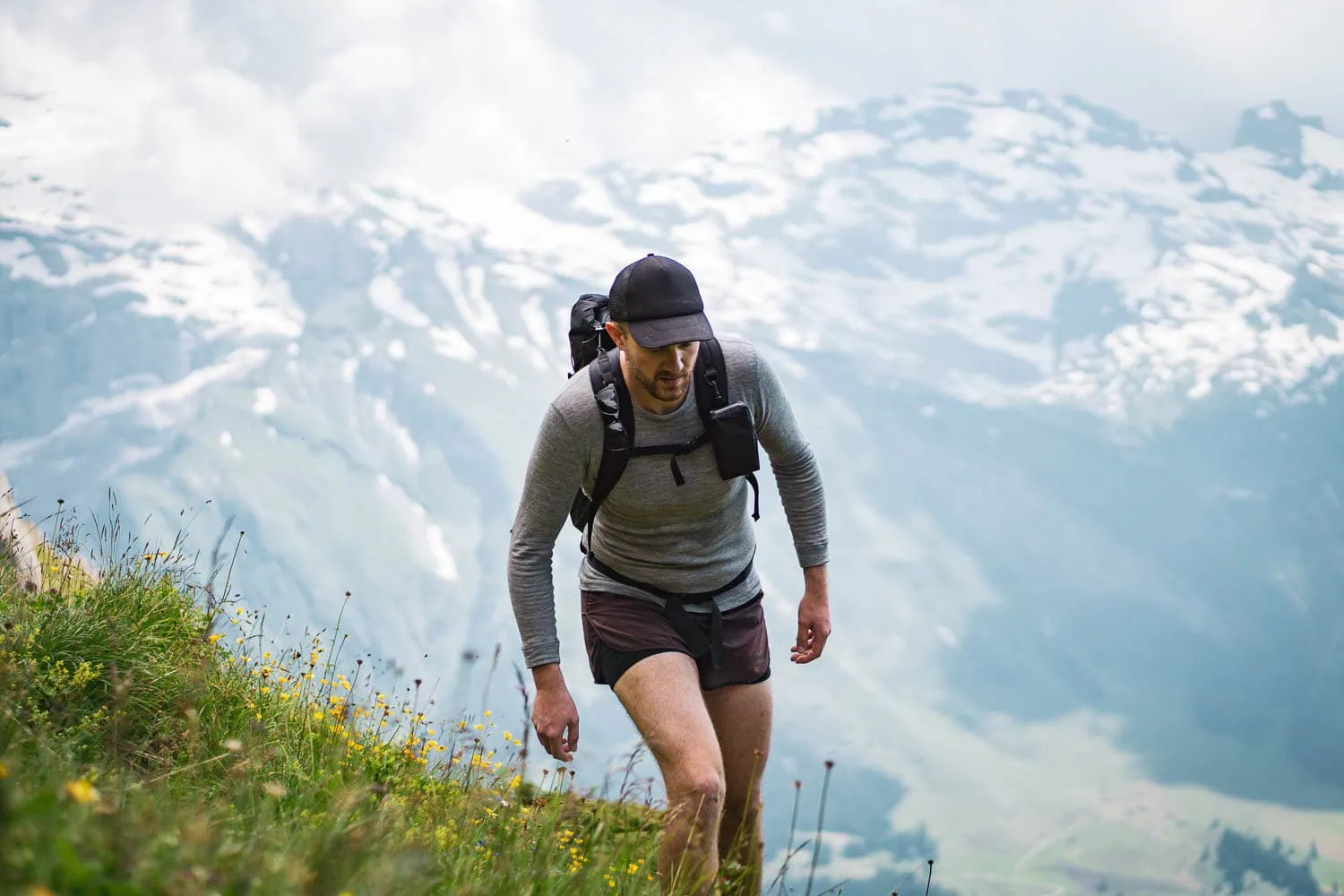
Auch bei der Kleidung zählt jedes Gramm, ohne auf Funktion zu verzichten. Bewährt hat sich das klassische Schichtenprinzip: eine Kombination aus leichter, atmungsaktiver Basisschicht (zum Beispiel ein Merino-Shirt), einer Insulating layer (Fleece oder leichte Daunenjacke) und einem möglichst kompakten Weather protection (Hardshell- oder Windjacke). Wichtig sind multifunktionale Kleidungsstücke, die Platz und Gewicht sparen. Eine Regenjacke kann zugleich als Windschutz dienen, ein Buff als Mütze, Stirnband oder Schal.
Investiere lieber in wenige, hochwertige Teile, die du vielseitig einsetzen kannst. Merinowolle hat sich im UL-Bereich bewährt, da sie temperaturausgleichend, geruchsneutral und auch nach mehreren Tagen angenehm tragbar ist. Ein Merino-Shirt kann problemlos eine Woche getragen werden, ein Baumwoll-Shirt ist nach zwei Tagen ein olfaktorisches Problem.
Kochen und Verpflegung
Beim Ultraleicht-Trekking gilt auch in der Küche: weniger ist mehr. Ziel ist ein einfaches, zuverlässiges und möglichst leichtes Koch- und Verpflegungssystem, das dich sicher mit Energie versorgt, aber wenig wiegt und wenig Platz braucht.
UL-Kocher und Kochsysteme. Moderne Ultraleicht-Kocher wiegen oft nur 20 bis 100 Gramm. Beliebt sind kleine Gaskocher (BRS-3000T mit 25 g, Soto Windmaster mit 67 g), Spiritus-Brenner (Trangia, DIY-Dosenkocher) oder Esbit-Systeme mit Trockenbrennstoff. Besonders minimalistisch sind „No-Cook“-Setups, bei denen ganz auf Kochen verzichtet wird, was für kurze Touren oder bei warmem Wetter funktioniert.
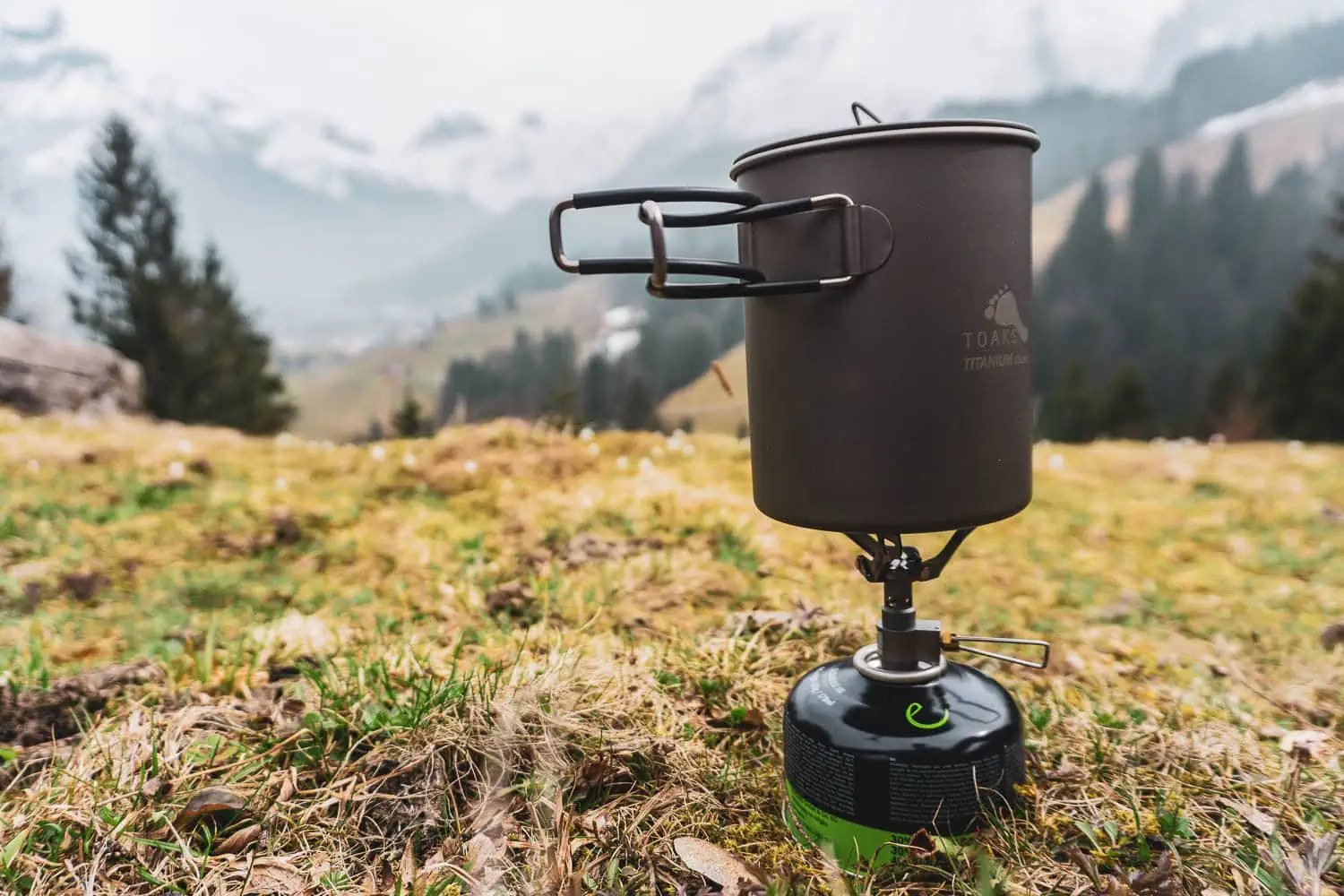
Nahrungsmittel-Auswahl. Entscheidend ist ein hoher Energiegehalt bei möglichst geringem Gewicht. Besonders gut geeignet sind gefriergetrocknete Trekking-Mahlzeiten, Couscous, Instant-Kartoffelpüree, Haferflocken, Nüsse, Trockenfrüchte, Energieriegel und Hartkäse. Auch Fertiggerichte aus dem Supermarkt, die nur mit heißem Wasser aufgegossen werden, eignen sich gut. Faustregel: 4.000 bis 4.500 Kilokalorien pro Kilogramm Lebensmittelgewicht.
Je nach Tourlänge und individuellen Vorlieben kannst du auch auf „kalte Küche“ setzen. Das spart Brennstoff und Zeit, reduziert jedoch oft die kulinarische Vielfalt. Das Stichwort dafür ist „Cold-Soaking“: Couscous oder Instant-Müsli werden einfach mit kaltem Wasser eingeweicht und sind nach 30 bis 60 Minuten essfertig.
Wasseraufbereitung unterwegs. Wasser ist unterwegs einer der schwersten Gegenstände im Rucksack (1 Liter wiegt 1 kg). Nutze daher natürliche Quellen, wo immer möglich. Moderne Wasserfilter (Sawyer Mini, Katadyn BeFree) wiegen meist unter 100 g und bieten zuverlässigen Schutz vor Keimen und Bakterien. Für Regionen mit wenig Wasserquellen empfiehlt es sich, die Wasserplanung besonders sorgfältig abzustimmen.
Prüfe deine Route schon vorab auf Wasserquellen und notiere Alternativen für trockene Abschnitte. Kompakte, weiche Trinkflaschen (CNOC, Evernew, Faltflaschen) sparen viel Platz und Gewicht im Vergleich zu klassischen Hartplastikflaschen.
Hygiene und Gesundheit unterwegs
Hygiene ist auch beim Ultraleicht-Trekking wichtig, muss aber nicht viel wiegen. Das Nötigste lässt sich auf wenige Gramm reduzieren: ein kleines, schnell trocknendes Mikrofaser-Handtuch, eine kompakte Zahnbürste (gegebenenfalls am Stiel gekürzt), kleine Mengen Zahnpasta (Probier-Packung oder DentTabs), etwas Seife (Dr. Bronner’s in Mini-Flasche) sowie Toilettenpapier oder Feuchttücher in einem Ziploc-Beutel.
Viele Utensilien können reduziert oder multifunktional genutzt werden. Ein Stück Seife ersetzt Duschgel und Shampoo. Hand-Desinfektionsgel wiegt kaum etwas und hilft im Notfall. Für mehrtägige Touren reichen kleine Mengen, die in Mini-Fläschchen umgefüllt werden. Fürs „stille Örtchen“ unterwegs eignen sich ultraleichte, klappbare Schaufeln (zum Beispiel die Deuce of Spades mit 17 g), biologisch abbaubares Papier und kleine Müllbeutel für gebrauchtes Papier, damit die Natur sauber bleibt.
Verzichte auf große Kulturbeutel: ein einziger Zip-Beutel reicht meist aus und spart Gewicht sowie Platz. Hygieneartikel, die mehrere Funktionen abdecken (Seife für Körper, Kleidung und Geschirr), reduzieren das Gesamtgewicht nochmals.
Elektronik und Navigation
Auch bei der Elektronik ist Minimalismus Trumpf. Eine leichte Headlamp (Petzl e+Lite oder Nitecore NU25) wiegt kaum mehr als 30 Gramm und reicht für Nächte am Lagerplatz aus. Für Smartphone, GPS oder Kamera empfiehlt sich eine kleine Powerbank mit 5.000 bis 10.000 mAh. Lade- und Verbindungskabel können durch Kombikabel ersetzt werden, ein einziges USB-C-Kabel mit Lightning- und Micro-USB-Adapter ersetzt drei einzelne Kabel.
Für die Navigation reicht häufig das Smartphone mit Offline-Karten (Komoot, Locus, Maps.me, OsmAnd). Wer unabhängig vom Akku navigieren möchte, ergänzt mit einer gedruckten Karte oder einem kleinen Kompass. Backup-Batterien sollten auf das Minimum reduziert werden.
Kleinteile und Komfortextras
Ein kleines Multitool oder Taschenmesser (Victorinox Classic mit 21 g) genügt für die meisten Reparaturen unterwegs. Ergänze ein paar Meter Panzertape (um einen Stift oder die Trekkingstöcke gewickelt), Nadel und Faden, einen Ersatz-Zelthering, etwas Schnur und einen Mini-Karabiner. So bist du für kleine Notfälle gewappnet, ohne unnötig viel zu schleppen.
Komfort muss nicht schwer sein. Eine ultraleichte Sitzunterlage (zum Beispiel Schaumstoff oder ein abgeschnittenes Isomatten-Stück mit 30 bis 50 g) verbessert Pausen enorm. Earplugs sorgen für erholsamen Schlaf, vor allem in windigen Nächten oder auf belebten Zeltplätzen. Ein Buff oder Schlauchtuch dient als Kissen, Halstuch, Sonnenschutz oder Schlafmaske.
Die leichtesten Extras sind oft die, die du unterwegs am meisten schätzen wirst. Probiere verschiedene Kleinteile aus und packe nur die ein, die für dich wirklich einen Mehrwert bieten.
Verpackung und Ordnung im Rucksack
Ordnung spart Zeit und Nerven. Ultraleichte Drybags schützen Schlafsack, Kleidung und Elektronik vor Feuchtigkeit. Ziploc-Beutel sind ideal für Lebensmittel, Hygieneartikel oder kleine Ausrüstungsteile. Statt vieler Packsäcke reicht oft ein großes Kompartiment für Kleidung und ein kleinerer für Schlafsachen. Alles, was griffbereit sein muss (Snacks, Stirnlampe, Karte, Regenjacke), gehört in leicht erreichbare Taschen am oder im Rucksack.
Ein Farbsystem (zum Beispiel unterschiedliche Farben für verschiedene Beutel) erleichtert die Orientierung und spart Zeit beim Packen und Auspacken. Ziplocs und Drybags sollten regelmäßig auf Dichtigkeit geprüft und bei Bedarf ersetzt werden.
Schnelle Ausrüstungs-Tipps zum Mitnehmen
Neun konkrete Stellschrauben, die fast jeder Wanderer auf den nächsten 200 g optimieren kann:
- Wasser sparen: Routen mit natürlichen Wasserquellen wählen, leichte Filter nutzen (Katadyn BeFree, Sawyer Mini).
- Wechselwäsche minimieren: Merino-Shirts tragen viele Tage ohne Geruchsbildung. Zwei Shirts reichen fast immer.
- Verpackung clever wählen: Ziploc-Beutel statt Hardshell-Packsäcke, das spart 50 bis 100 g.
- Kleinigkeiten portionieren: Probier-Packungen für Zahnpasta oder Tabletten wie DentTabs.
- Kürzen und individualisieren: überflüssige Riemen und Etiketten weg, aber bitte mit Sinn und Verstand. Was nicht ersetzt werden kann, bleibt dran.
- Wanderführer abspecken: nur die relevanten Seiten mitnehmen, digitalisieren oder einscannen.
- Packsäcke sparen: leichte Gummis oder Tüten sind oft völlig ausreichend statt teurer Stuff-Sacks.
- MYOG (Make Your Own Gear): Eigenbau-Lösungen für Kocher, Windschutz oder kleine Helferlein. Spart Geld und Gewicht.
- Verpflegung priorisieren: schwere Lebensmittel zuerst aufessen, auf kalorienreiche und leichte Trekking-Nahrung achten.
Jedes Gramm zählt: auch kleine Maßnahmen summieren sich zu spürbaren Hunderten von Gramm.
Tourenplanung und Vorbereitung
Eine sorgfältige Planung ist beim Ultraleicht-Trekking besonders wichtig. Mit minimalem Gepäck bleibt weniger Spielraum für spontane Änderungen, weil du keine drei Reservejacken und kein zweites Paar Schuhe dabei hast. Eine gute Vorbereitung schafft Sicherheit, Flexibilität und maximalen Erlebniswert.
Routenwahl: Deutschland, Alpen, Fernwanderwege
In Deutschland gibt es inzwischen über 140 offiziell ausgewiesene Trekkingplätze, die ein legales und naturnahes Übernachten im Wald ermöglichen. Beispiele sind die Trekking-Camps im Pfälzerwald, im Sauerland, im Frankenwald, im Naturpark Obere Donau oder im Nationalpark Hunsrück-Hochwald.
Trekkingplätze verfügen oft über einfache Ausstattung wie Holzplattformen, Komposttoiletten oder Feuerstellen. Sie müssen vorher reserviert werden und sind meist nur für eine Nacht nutzbar. Die Reservierung läuft je nach Region über die jeweilige Tourismus-Plattform und kostet zwischen 5 und 15 Euro pro Nacht.
Gut geeignete Fernwanderwege mit Infrastruktur und Versorgungspunkten sind der Westweg im Schwarzwald, der Rothaarsteig oder Routen wie der E5 und die Via Alpina in den Alpen. In Skandinavien oder Schottland sind dagegen eigenständige Planung und autarke Versorgung wichtiger, dort kann es auch mal 30 km bis zur nächsten Versorgungsmöglichkeit sein.
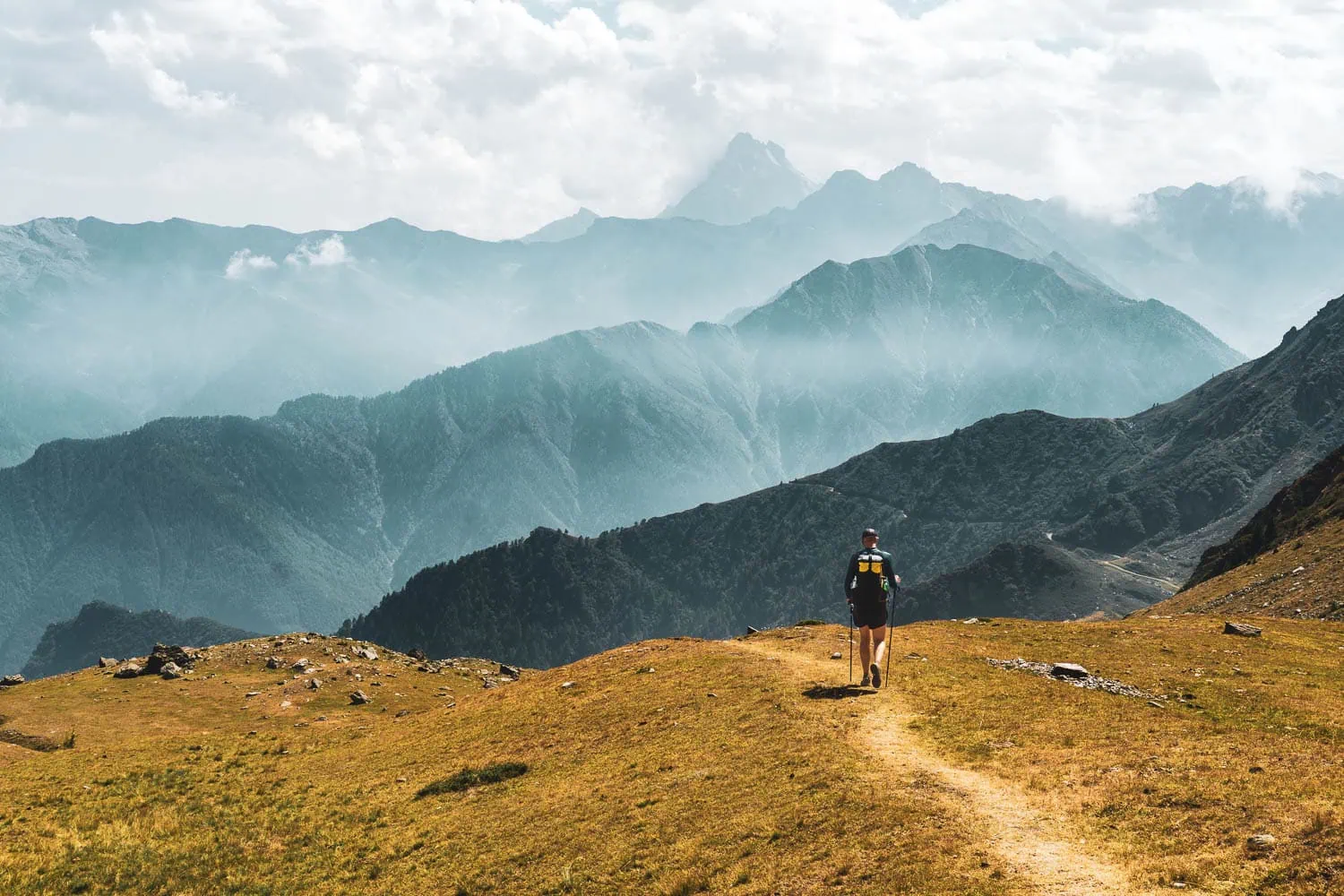
Saisonale Anpassungen
Die Jahreszeit entscheidet über Temperatur, Wetterbedingungen und Ausstattung. Im Frühling sind kühle Nächte normal, daher lieber wärmeres Schlafsystem und Isolationsschicht einplanen. Im Sommer ist ein sehr leichtes Setup möglich, dafür sind Schutz vor Hitze, Mücken und Gewitter relevant. Im Herbst braucht es zuverlässigen Wetterschutz und gegebenenfalls Reservekleidung. Winter-Trekking mit UL-Ausrüstung ist nur für sehr erfahrene Trekker geeignet, viele Trekkingplätze sind in der kalten Jahreszeit ohnehin geschlossen.
Informiere dich vorab über die Öffnungszeiten der Trekkingplätze (meist Mai bis Oktober), prüfe Wetterdaten und passe deine Ausrüstung entsprechend an. Im Frühjahr und Herbst lieber ein paar hundert Gramm Reservegewicht einplanen, das sind die Zeiten, in denen das Wetter am unberechenbarsten ist.
Wetter, Wasserquellen und Infrastruktur unterwegs
Eine der größten Herausforderungen für UL-Trekker ist die Versorgung, besonders mit Wasser. Trekkingplätze haben meist keine Trinkwasser-Quelle vor Ort. Deshalb solltest du die Route sorgfältig planen und Wasserquellen wie Brunnen, Seen oder Berghütten im Voraus recherchieren.
Digitale Karten bieten oft spezielle Filter für Trekking- oder Biwakplätze und zeigen auch Einkaufsmöglichkeiten oder Haltestellen entlang der Route. OsmAnd ist hier besonders nützlich, weil die OpenStreetMap-Daten in vielen Regionen detaillierter sind als kommerzielle Karten.
Sicherheit beim Ultraleicht-Trekking
Auch beim UL-Trekking darf Sicherheit nie zugunsten des letzten gesparten Gramms geopfert werden. Eine durchdachte, minimalistische Notfallausrüstung gehört in jeden Rucksack.
Notfallausrüstung: was unverzichtbar ist
Sieben Dinge sollten auf jeder Tour dabei sein, unabhängig von der Strecke und der Saison:
- Erste-Hilfe-Set: klein, individuell bestückt, mit Pflastern, sterilen Kompressen, Tape, Blasenpflastern, Schmerzmitteln und persönlichen Medikamenten.
- Signalpfeife: meist im Brustgurt des Rucksacks integriert, wiegt fast nichts, kann in einer Notlage Leben retten.
- Rettungsdecke: wärmt bei Unterkühlung und dient als Signalgeber. 50 g, die du hoffentlich nie brauchst.
- Stirnlampe mit Ersatzbatterie: idealerweise mit Rotlicht-Funktion für die Nacht ohne Sehverlust.
- Multitool oder Messer: klein, robust, mit Klinge und Schere.
- Feuerzeug oder wasserfeste Streichhölzer: wasserdicht verpackt, immer griffbereit.
- Notfallnummern: kurz notiert, digital und auf Papier. Im Akkunotfall steht das Papier zur Verfügung.
Passe das Erste-Hilfe-Set an deine Route und persönlichen Bedarf an. Je abgelegener das Gebiet, desto wichtiger sind Reserve-Pflaster, Desinfektionsmittel und gegebenenfalls ein paar Gramm Extra-Verbandmaterial.
Risiko-Abwägung gegen Gewichts-Einsparung
Ultraleicht bedeutet nicht, jedes Gramm um jeden Preis einzusparen. Die Kunst liegt darin, Komfort und Sicherheit sorgfältig gegeneinander abzuwägen. Überlege dir vor jeder Tour: wo ist echte Risiko-Reduktion nötig, wo ist Minimalismus vertretbar? In vertrauten Regionen oder auf bekannten Wegen kann das Setup minimalistischer sein, in abgelegenen, alpinen oder einsamen Gebieten sind Redundanz und Reserven Pflicht.
Gerade Solo-Trekkende sollten bei Notfallausrüstung und Kommunikation niemals zu sehr sparen. Lieber ein paar Gramm mehr für Rettungsdecke, Ersatzakku oder Powerbank einplanen, als im Ernstfall ohne dazustehen.
Erste Hilfe, Orientierung, Kommunikation
Ein solides Basiswissen in Erster Hilfe, Orientierung und Kommunikation ist für jede Tour wichtig. Mach dich mit deiner Ausrüstung vertraut, übe die Handhabung von Karte, Kompass und GPS im Vorfeld und wiederhole regelmäßig einfache Erste-Hilfe-Maßnahmen.
Erste Hilfe. Pflaster richtig anwenden, Druckverbände anlegen, Unterkühlung und Überhitzung erkennen und behandeln, stabile Seitenlage. Ein Erste-Hilfe-Kurs vor der ersten langen Tour ist eine sinnvolle Investition.
Orientierung. Offline-Karten auf dem Smartphone speichern, einen klassischen Kompass mitnehmen, wichtige Routenpunkte auf Papier notieren. Ein Tag, an dem das Telefon ausfällt, kommt früher als gedacht.
Kommunikation. Vorab eine Kontaktperson über die geplante Route informieren, im Notfall SMS- oder Notrufnummern kennen, Signalpfeife oder Licht nutzen. Die europäische Notrufnummer 112 funktioniert in den meisten Bergregionen Europas zuverlässig.
Prüfe regelmäßig den Akkustand deiner Elektronik und halte die wichtigsten Kontakte sowie Standorte offline verfügbar. Ein kleiner Zettel mit Notfallnummern, Blutgruppe und Allergien kann im Ernstfall entscheidend sein.
Nachhaltig unterwegs
Wer draußen unterwegs ist, trägt Verantwortung gegenüber Natur, Wildtieren und anderen Outdoor-Begeisterten. Ultraleicht-Trekking und Nachhaltigkeit schließen sich nicht aus, im Gegenteil: weniger und bessere Ausrüstung bedeutet oft auch geringere Umweltbelastung.
Leave-No-Trace-Prinzipien
The Leave No Trace-Grundsätze helfen, Spuren in der Natur zu minimieren und wertvolle Naturräume zu erhalten:
- Lager nur auf ausgewiesenen Flächen oder Trekkingplätzen aufschlagen.
- Abfälle (auch organische) immer mitnehmen, das berühmte „Pack it in, pack it out“.
- Toilettenpapier und Hygieneartikel umweltgerecht entsorgen, Toilettengänge mindestens 50 m von Gewässern entfernt.
- Pflanzen, Tiere und Felsen respektieren, nichts beschädigen oder mitnehmen.
- Lärm vermeiden, Rücksicht auf Wildtiere und andere Wanderer nehmen.
- Feuer nur dort machen, wo es ausdrücklich erlaubt ist, Funkenflug konsequent vermeiden.
Ein kleiner Müllbeutel wiegt fast nichts, ermöglicht aber ein konsequent sauberes Trekking. Ideal auch, um unterwegs den Müll anderer Wanderer aufzulesen, das tut der Natur gut und braucht nur drei Gramm Beutel-Gewicht.
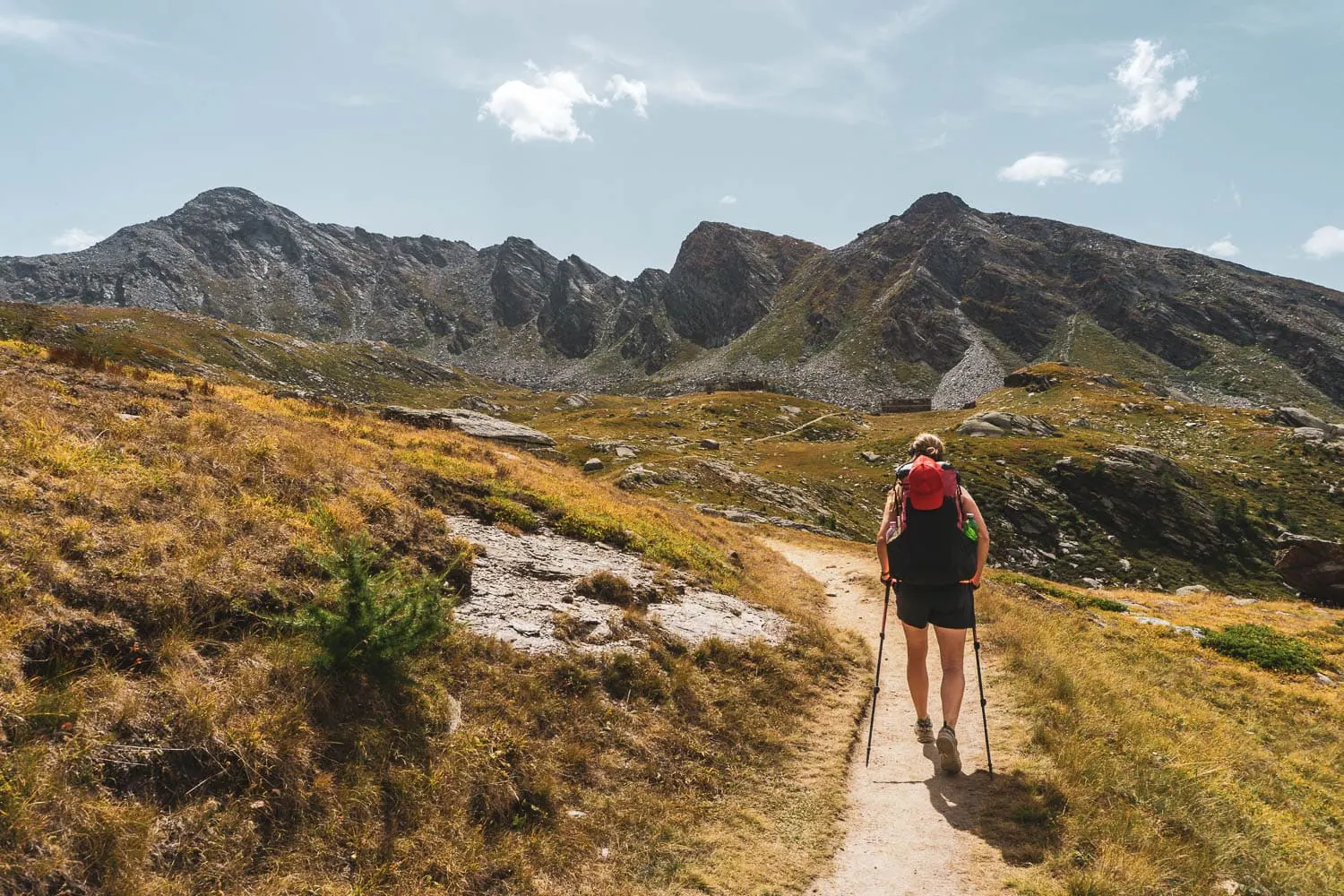
Nachhaltige Materialien und Produktion
Hochwertige UL-Ausrüstung ist nicht nur leicht, sondern auch langlebig. Materialien wie Ultra 200X, Dyneema Composite Fabric oder hochwertige Daune halten bei guter Pflege 10 bis 15 Jahre und mehrere zehntausend Kilometer Tragebelastung. Eine Investition, die sich über Jahre verteilt günstiger rechnet als der Discounter-Rucksack, der nach zwei Saisons in der Tonne landet.
Bei der Auswahl lohnt sich der Blick auf den Hersteller: wo wird produziert, unter welchen Bedingungen, mit welchen Materialien? Reparatur-Service, Ersatzteile und ein klares Bekenntnis zur Langlebigkeit sind die besseren Indikatoren für Nachhaltigkeit als das Marketing-Etikett auf der Verpackung.
Reparieren statt neu kaufen
Jedes Outdoor-Produkt geht irgendwann kaputt, das gehört zum Abenteuer dazu. Nachhaltiges Trekking bedeutet, die Lebensdauer von Ausrüstung zu verlängern, statt sofort zu ersetzen. Kleine Schäden an Rucksack, Zelt, Kleidung oder Isomatte lassen sich oft mit Flickset, Nadel und Faden oder Tape selbst beheben. Viele Hersteller (auch WeitLäufer) bieten Reparatur-Services an, damit Lieblingsstücke viele weitere Touren überstehen.
Beispiel-Packliste für eine 3-Tages-Tour (Frühling oder Sommer)
Die folgende Packliste ist ein bewährtes Beispiel für eine drei Tage lange Ultraleicht-Trekkingtour in gemäßigtem Klima. Sie lässt sich individuell anpassen und soll als Orientierung dienen. Gewichte sind realistische Mittelwerte aus dem aktuellen UL-Markt.
| Item | Weight | Manufacturer's comment |
|---|---|---|
| WeitLäufer Agilist 2026 (Größe M, 54 L) | 570g | Vollständig getapte Nähte, Ultra 200X. |
| Schlafsack oder Quilt (Komfortbereich 5–8 °C) | 500–700 g | Daune ist leichter, Synthetik feuchtigkeitstoleranter. |
| Isomatte (Luft- oder Schaumstoff) | 250–400 g | R-Wert 2–3 reicht für Frühling/Sommer. |
| Item | Weight | Manufacturer's comment |
|---|---|---|
| Ultraleicht-Zelt oder Tarp | 400–1.000 g | Für Solotouren reicht ein 1-Personen-Zelt unter 700 g. |
| 4 Heringe und Abspannleinen | 40–80 g | Titan-Heringe sparen 30–40 % Gewicht. |
| Item | Weight | Manufacturer's comment |
|---|---|---|
| Isolationsjacke (Daune oder Fleece) | 250–400 g | Daune leichter, Fleece weniger feuchtigkeitsempfindlich. |
| Regenjacke oder Poncho | 150–300 g | 3-lagige Membran für mehrtägige Touren. |
| Wechsel-Shirt (Merino) | 120–180 g | Geruchsneutral, schnell trocknend. |
| Wechsel-Unterhose, extra Socken | 80–120 g | Ein Set genügt, am Tag tragen, abends waschen. |
| Buff oder Mütze, ggf. dünne Handschuhe | 40–80 g | Buff ersetzt 4 Einzelteile. |
| Item | Weight | Manufacturer's comment |
|---|---|---|
| UL-Kocher, Topf (Titan/Alu, 550–750 ml) | 120–200 g | BRS-3000T, Soto Windmaster, Trangia Mini. |
| 1 Gaskartusche oder Spiritus-Brenner | 200–250 g | Eine 230-g-Kartusche reicht für 5–7 Tage. |
| Löffel, Mini-Brenner, Feuerzeug oder Streichhölzer | 30–50 g | Titan-Löffel ist die Investition wert. |
| Proviant für 3 Tage (leicht und kalorienreich) | 900–1.200 g | Faustregel: 4.000–4.500 kcal pro kg. |
| Wasserflaschen oder Faltflaschen (1,5–2 L) | 50–100 g | CNOC, Evernew oder Smartwater-Flaschen. |
| Wasserfilter oder Entkeimungs-Tabletten | 50–100 g | Sawyer Mini oder Katadyn BeFree. |
| Item | Weight | Manufacturer's comment |
|---|---|---|
| Mikrofaser-Handtuch (klein) | 30–60 g | Reicht für Gesicht und Hände. |
| Zahnbürste und Zahnpasta (DentTabs oder Probierpackung) | 15–25 g | Zahnbürstenstiel kürzen spart weitere 5 g. |
| Mini-Seife, Mini-Müllbeutel | 20–40 g | Dr. Bronner’s für alles in einem. |
| Toilettenpapier, Feuchttücher, kleine Schaufel | 50–80 g | Deuce of Spades wiegt 17 g. |
| Item | Weight | Manufacturer's comment |
|---|---|---|
| Leichte Stirnlampe | 30–60 g | Petzl e+Lite oder Nitecore NU25. |
| Smartphone mit Offline-Karten | 180–220 g | OsmAnd oder Komoot für Karten. |
| Powerbank (5.000–10.000 mAh) | 100–200 g | 10.000 mAh reichen für 3–4 Ladungen. |
| Ladekabel, ggf. Ersatzakku | 30–50 g | Kombi-Kabel statt drei Einzelnen. |
| Item | Weight | Manufacturer's comment |
|---|---|---|
| Erste-Hilfe-Set, Rettungsdecke, Signalpfeife | 80–120 g | Individuell auf Tour und Person abgestimmt. |
| Multitool oder Messer, persönliche Medikamente | 30–60 g | Victorinox Classic reicht meistens. |
| Reparatur-Set (Tape, Nadel und Faden, Ersatzschnur) | 15–25 g | Panzertape um den Trekkingstock gewickelt. |
| Item | Weight | Manufacturer's comment |
|---|---|---|
| Ohrstöpsel, Sitzunterlage, Sonnenbrille | 50–80 g | Sitzunterlage aus Iso-Matten-Rest. |
| Ziplocs oder Drybags zur Organisation | 30–40 g | Reichen meist statt teurer Stuff-Sacks. |
| Category | Weight |
|---|---|
| Rucksack und Schlafsystem | ~1.470 g |
| Accommodation | ~600 g |
| Bekleidung | Around 700 g |
| Kochen (ohne Proviant und Wasser) | ~450 g |
| Hygiene und Sonstiges | approx 180 g |
| Electronics | ~400 g |
| Notfall und Sicherheit | approx 180 g |
| Kleinteile und Extras | Around 100g |
| TOTAL BASE WEIGHT | ~4.080 g |
Mit knapp 4 kg Basisgewicht ist dieses Setup solides UL-Niveau. Wer noch tiefer geht, kann an Schlafsystem (Quilt statt Schlafsack: minus 200 g), Unterkunft (Tarp statt Zelt: minus 400 g) und Elektronik (kleinere Powerbank: minus 100 g) drehen und kommt schnell auf 3,3 bis 3,5 kg. Wichtig: nach jeder Tour überprüfen, was wirklich gebraucht wurde, was überflüssig war. So optimiert sich das Setup Schritt für Schritt zum eigenen Optimum.
Frequently Asked Questions
No, if you keep safety, weather, and personal limits in mind. Less weight often means more control and a lower risk of accidents. Thoughtful emergency equipment with a first-aid kit, survival blanket, and whistle weighs between 100 and 150g in total and should be in every UL backpack.
Not necessarily. Many UL trekkers sleep better, hike more relaxed, and enjoy more time outdoors because everything is simpler, lighter, and more flexible. Comfort and weight are only seemingly contradictory. A quilt with a 5-degree comfort rating is no less warm than a sleeping bag of the same class, and a 6cm thick UL sleeping mat is no less comfortable than a heavier alternative.
Start with small changes. Weigh your current gear with kitchen scales, document everything in a list (for example on LighterPack), and reduce it gradually. Reflect after each tour: what was actually needed, what was left in the rucksack? This way, you'll find your own optimum between comfort and lightness step by step.
It happens to everyone sometimes, and most of the time it's not a big deal. Be creative, improvise, ask other hikers at the hut, and update your packing list for the next trip. Most omissions can be improvised on the go. What cannot be improvised (emergency blanket, water filter, headlamp) should be in your backpack from the start.
Top-quality materials have their price, but UL is not necessarily expensive. A good UL backpack costs €200 to €400, a quilt €250 to €450, and a UL tent €300 to €700. If you buy everything at once, you'll quickly reach €1,500 to €2,500. If you upgrade step-by-step (first the backpack, then the sleep system, then the tent), you spread the costs over years. Second-hand purchases and MYOG (Make Your Own Gear) will further reduce costs.
Ultraleicht-Trekking ist kein Dogma, sondern eine Einladung, Ausrüstung zu hinterfragen und nach den eigenen Bedürfnissen zu optimieren. Jeder Schritt in Richtung weniger Gewicht bedeutet mehr Flexibilität, mehr Erlebnis und oft mehr Spaß am Weg. Du musst nicht morgen mit 4 kg Basisgewicht starten, ein paar hundert Gramm pro Tour reichen für den Anfang. Mit der Zeit entsteht ein Setup, das wirklich zu dir passt: leicht genug, um alle Touren auf der Bucket-List anzugehen, und komfortabel genug, um sie zu genießen.