
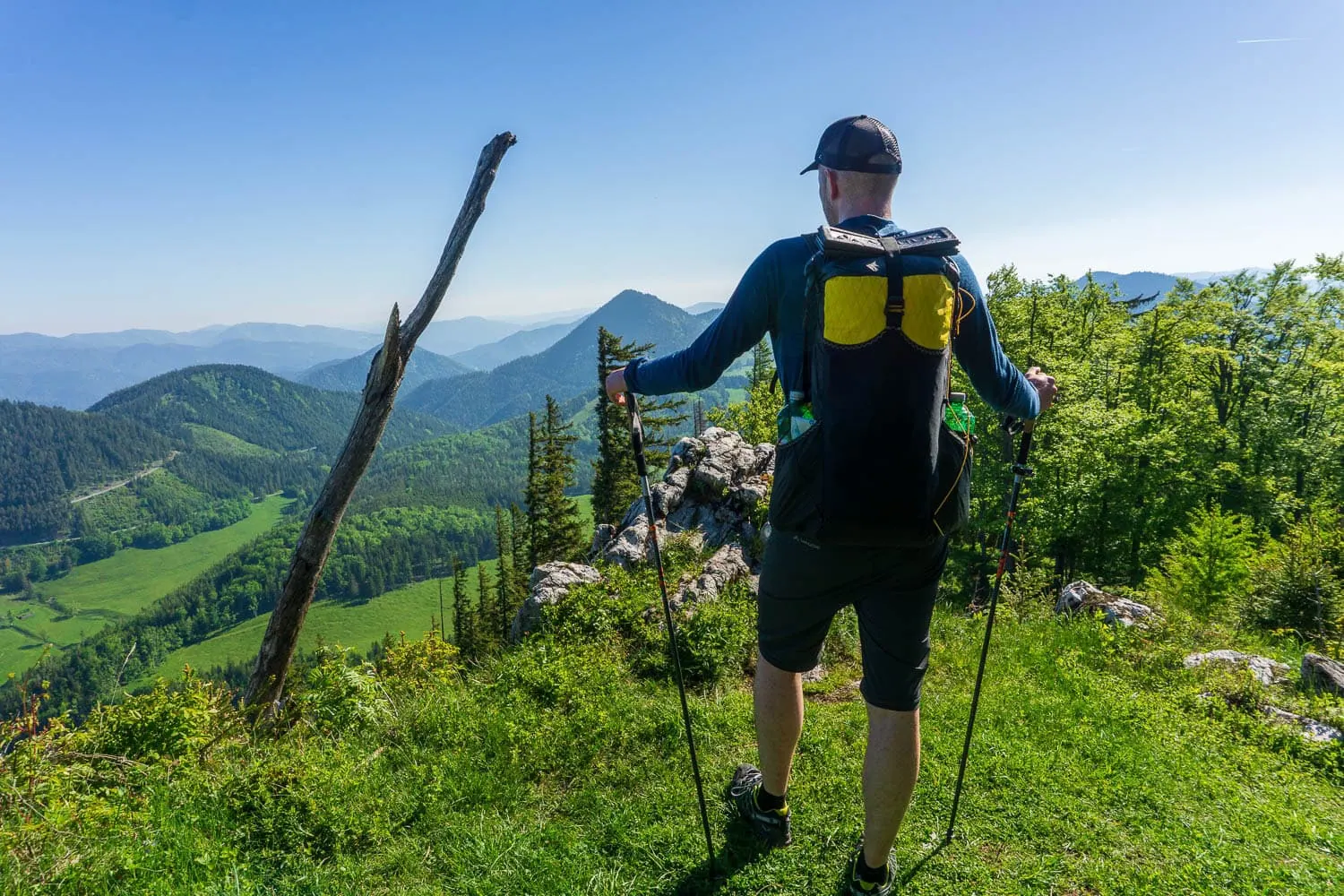
Wer eine Alpenüberquerung zu Fuß plant, steht früher oder später vor der Frage: was kommt mit, was bleibt zu Hause? Die Antwort entscheidet auf Etappe 4 darüber, ob du noch Reserven hast oder ob die Knie auf den Abstiegen anfangen zu protestieren. Eine durchdachte Packliste Alpenüberquerung ist kein Komfort-Thema, sondern ein Sicherheits- und Genuss-Thema.
Ich bin diese Frage mehrfach durchgegangen: 2014 auf dem Traumpfad München-Venedig (550 km), 2017 mit meiner Freundin auf der Alpendurchquerung Wien-Nizza (1.900 km in 107 Tagen), dazu zahlreiche kürzere Touren auf E5, GTA und in den Schweizer Alpen. Auf der ersten Tour 2014 bin ich mit einem 10-kg-Rucksack gestartet (ohne Zelt, Schlafsack, Isomatte und Kochset). Heute liegt mein Basisgewicht für die gleiche Tour bei circa 3,6 kg. Der Unterschied ist nicht die Marke der Ausrüstung, sondern die Bereitschaft, jedes Teil ehrlich zu prüfen.
Diese Packliste Alpenüberquerung kombiniert die Standard-Empfehlungen der großen Outdoor-Magazine mit dem, was wirklich nötig ist, deckt sowohl Hütten- als auch Zelt-Tour ab und gibt für jeden Ausrüstungsteil das tatsächliche Gewicht an. Du kannst sie auch als PDF herunterladen und beim Packen abhaken.
Wie schwer sollte der Rucksack auf einer Alpenüberquerung sein?
Die meisten Outdoor-Magazine geben 8 bis 10 Kilogramm als Richtwert für eine Alpenüberquerung an. Das ist machbar, aber nicht optimal. Eine Faustregel lautet: dein vollgepackter Rucksack sollte nicht mehr als 1/5 deines Körpergewichts wiegen, besser 1/6. Bei einer 70-Kilo-Person sind das also 11 bis 14 Kilogramm als absolute Obergrenze, 8 bis 10 Kilogramm als realistisches Tour-Gewicht und 6 bis 8 Kilogramm als ultraleichte Variante.
Mit der hier beschriebenen Packliste landest du bei einem Basisgewicht von etwa 3,6 bis 5,5 Kilogramm (alles ohne Verpflegung, Wasser und der Kleidung am Körper). Inklusive Wasser für einen Tag und Verpflegung für zwei bis drei Tage kommst du auf ein Gesamtgewicht von 5,5 bis 8 Kilogramm. Das ist deutlich unter dem Mainstream-Niveau und macht den entscheidenden Unterschied auf den Aufstiegen.
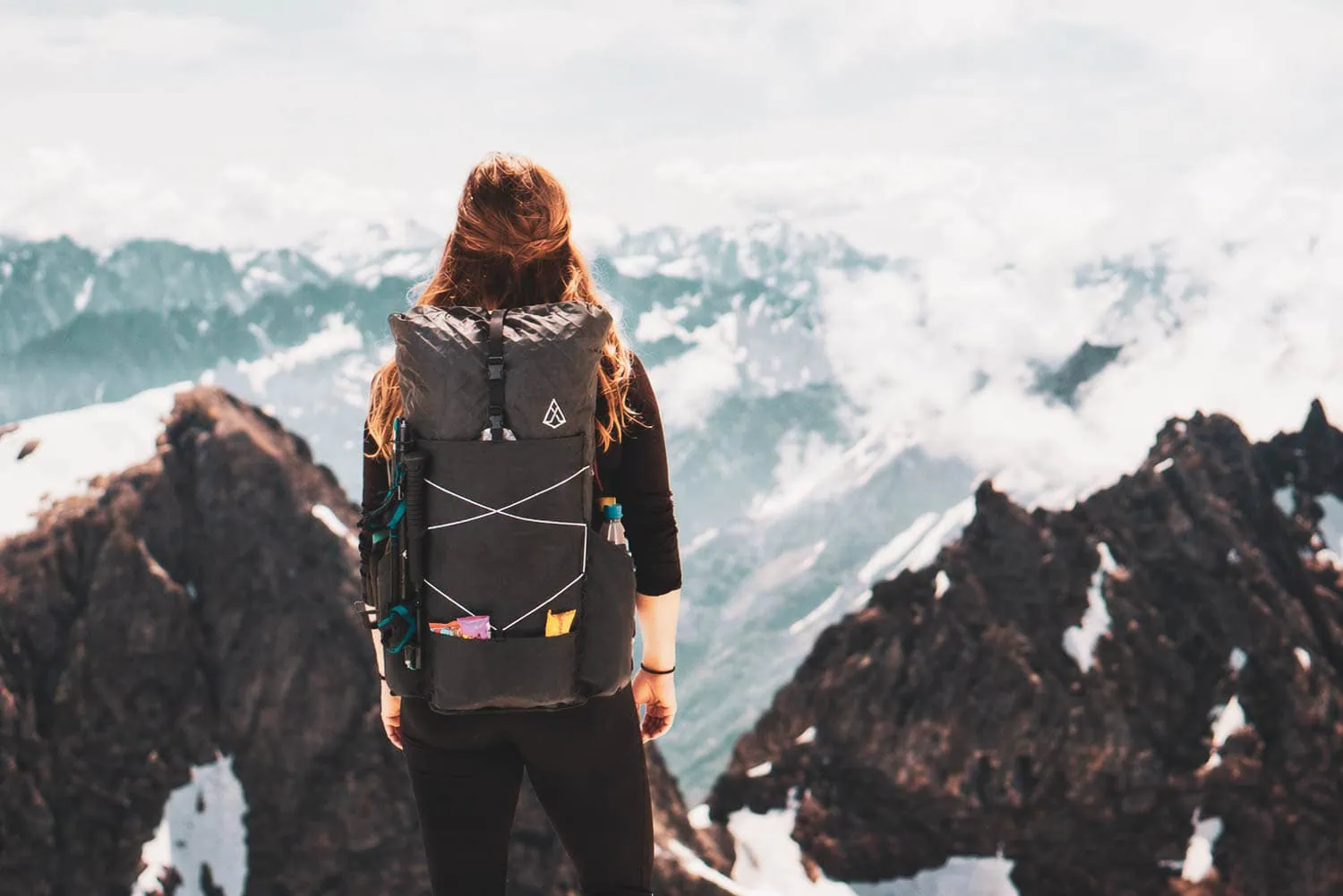
Hütte oder Zelt: die Grundsatz-Entscheidung
Bevor du anfängst, einzelne Items zu wiegen, klärt sich eine Grundsatzfrage: schläfst du auf bewirtschafteten Hütten oder mit eigenem Zelt? Beides hat Vor- und Nachteile, beide Varianten lassen sich auf 3,6 bis 6 kg Basisgewicht bringen. Die Packliste Alpenüberquerung unterscheidet sich vor allem im Schlafsystem, der Rest bleibt fast identisch.
| Kriterium | Hüttentour | Zelt-Tour |
|---|---|---|
| Gepäck-Gewicht | Etwas leichter, kein Zelt und keine Isomatte | Mehr Ausrüstung, dafür kleineres Wechsel-Bekleidungs-Set |
| Tagesplanung | An Hütten-Standorte gebunden, Reservierung wichtig | Frei wählbar, zeitlich flexibel |
| Verpflegung | Abendessen und Frühstück auf der Hütte | Eigene Verpflegung oder Hütten als Versorgungspunkte nutzen |
| Kosten | 50 bis 80 Euro pro Übernachtung mit Halbpension | 10 bis 20 Euro Verpflegung pro Tag |
| Wetterfenster | Auch bei Regen warm und trocken | Bei Sturm und Dauerregen anstrengend |
| Erlebnis | Soziale Atmosphäre, Bergsteiger-Kultur | Mehr Ruhe, mehr Eigenverantwortung |
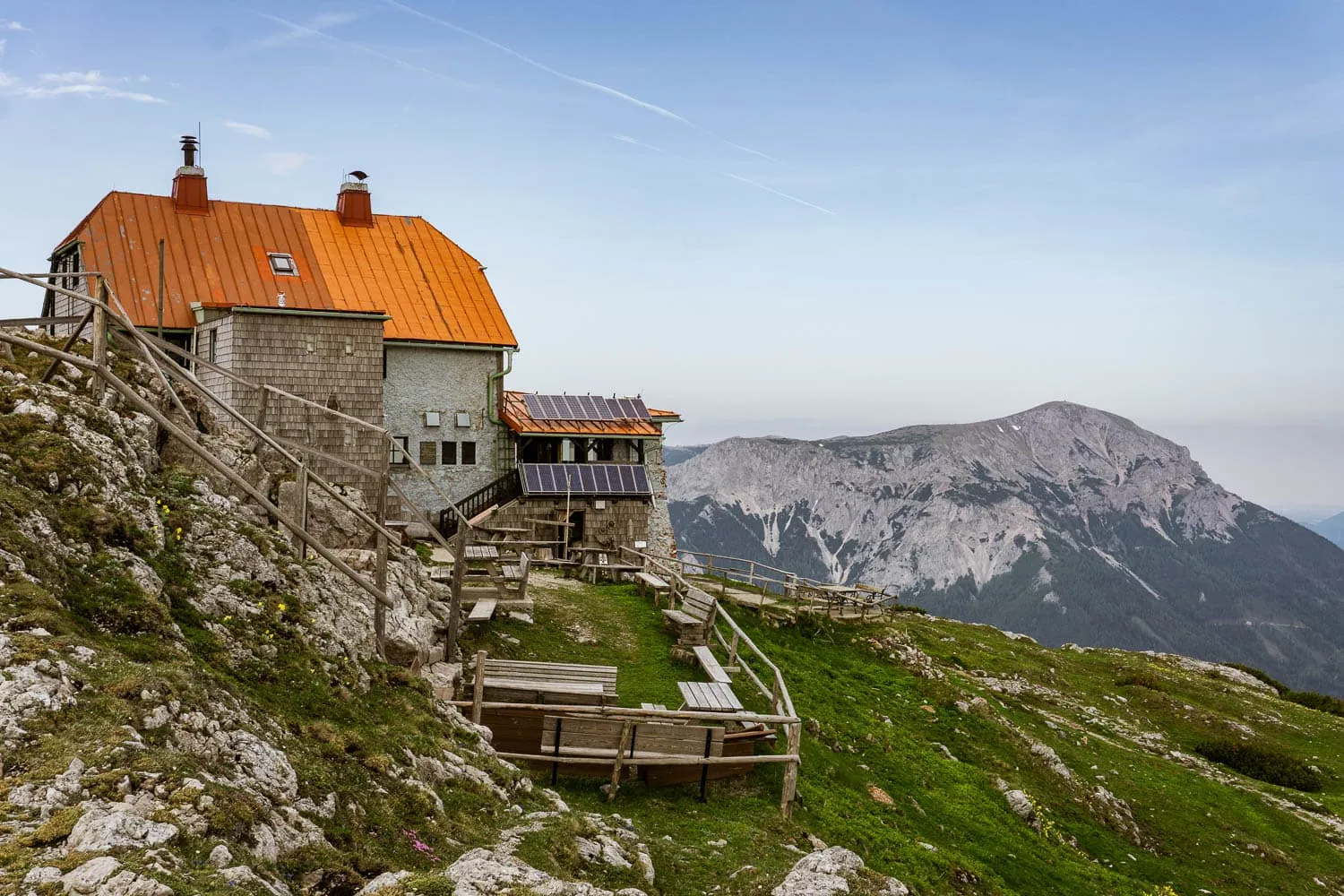
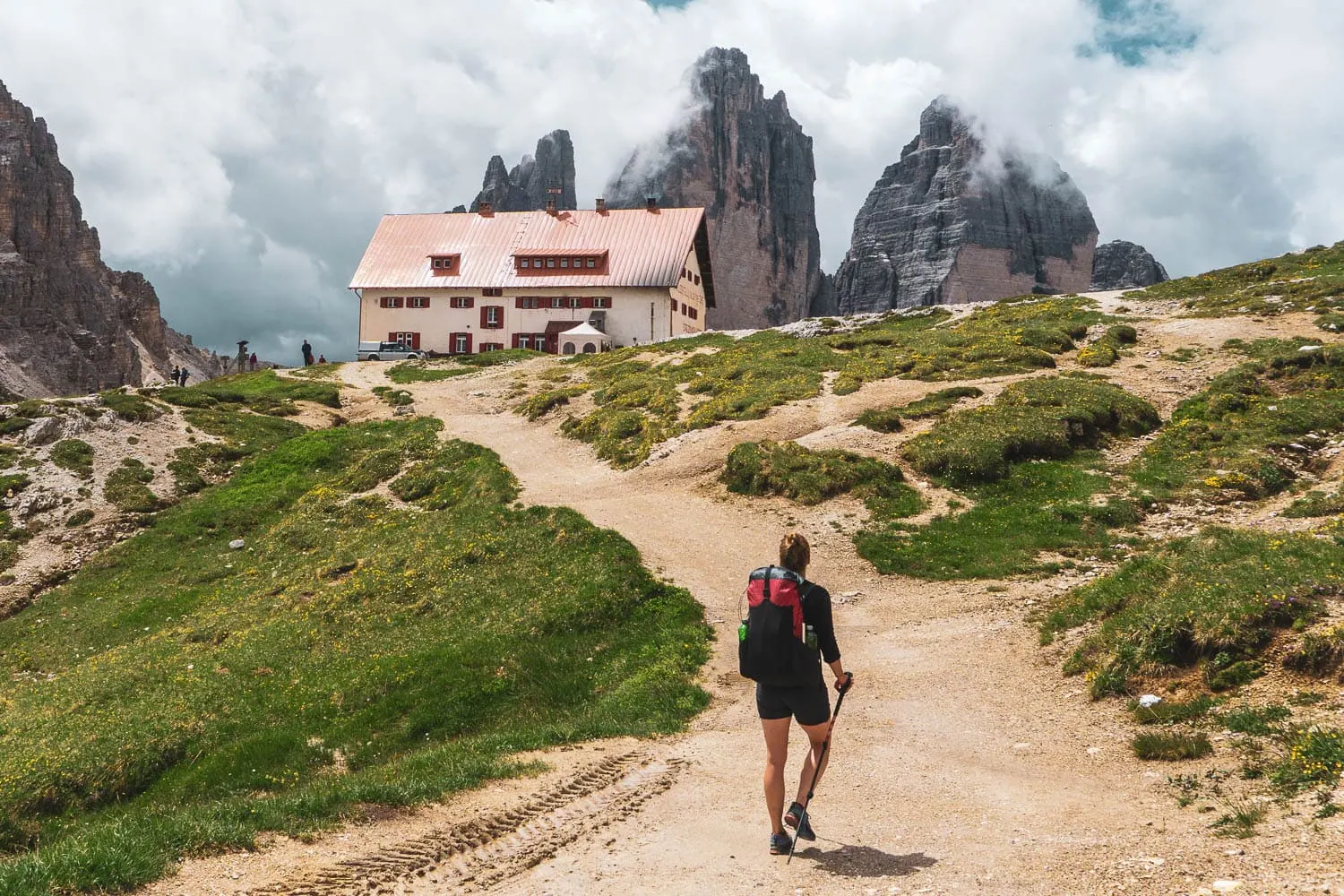
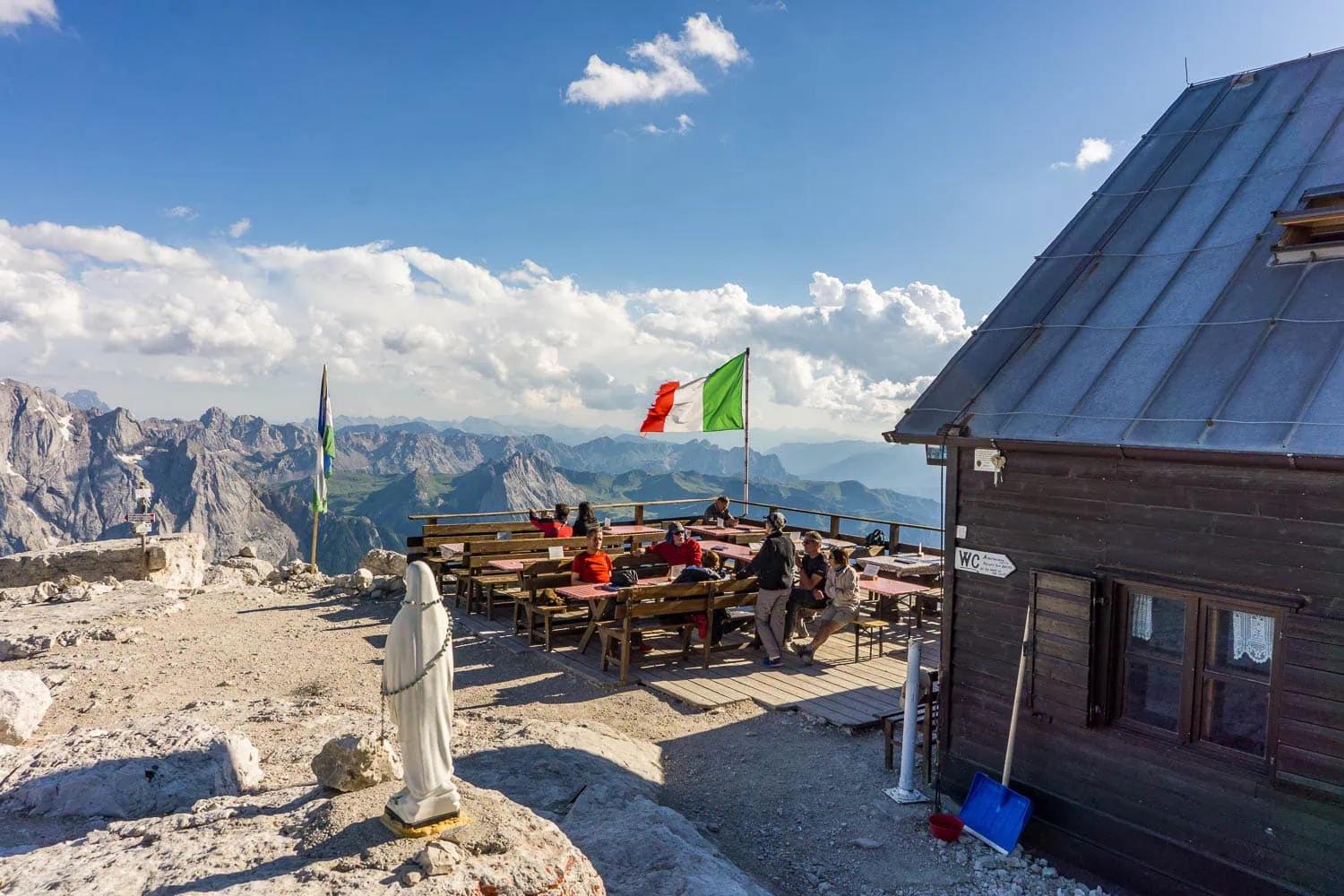
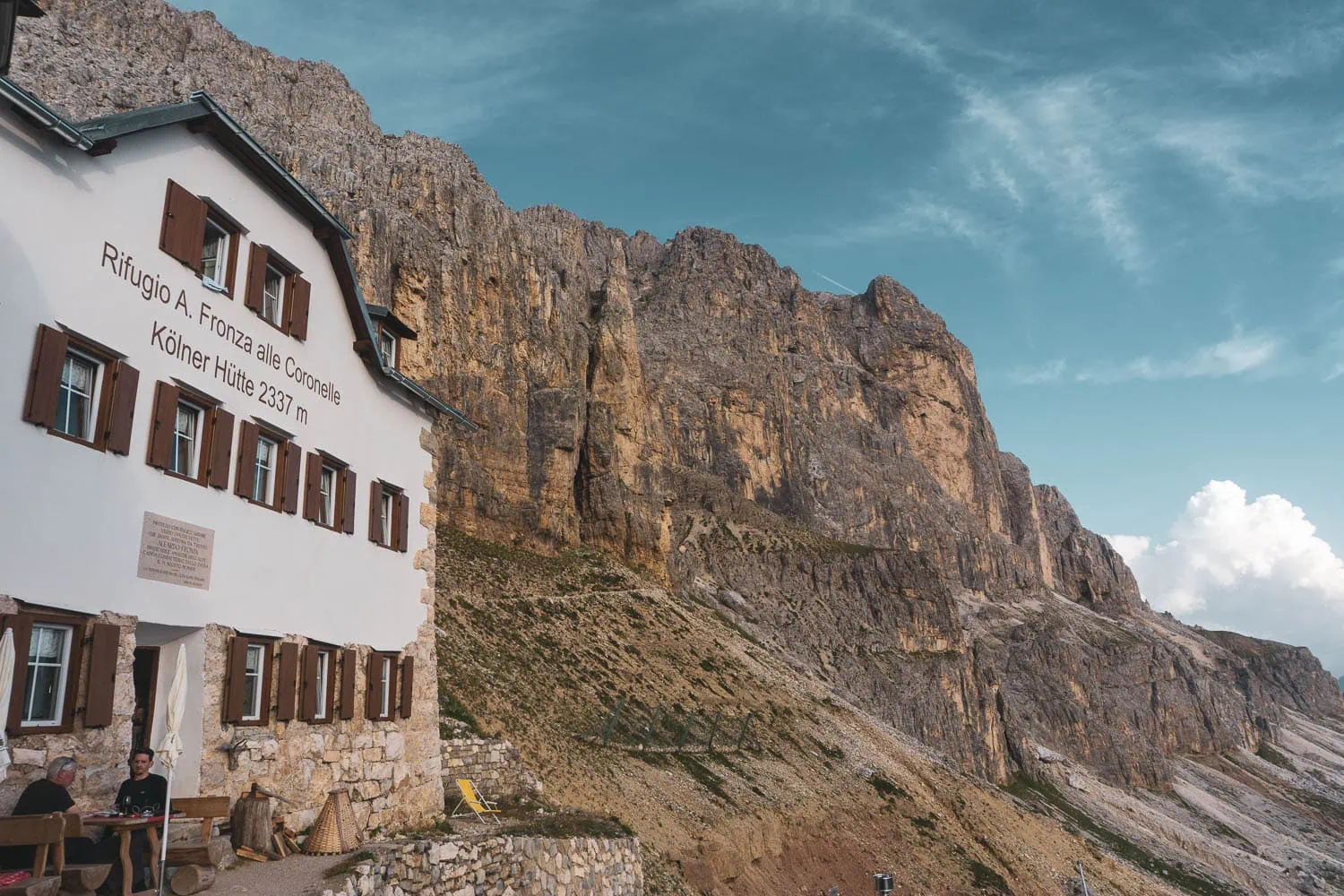
Für E5, Heilbronner Höhenweg, Tour de Mont Blanc und die meisten klassischen Alpenüberquerungen ist die Hütten-Variante die naheliegende Wahl. Das Hüttennetz ist dicht, die Etappen sind auf Hütten-Distanzen ausgelegt. Für längere und einsamere Touren wie Wien-Nizza, GTA in voller Länge oder eigene Routen außerhalb der ausgeschilderten Wege wird die Zelt-Variante interessant. In der folgenden Liste decken wir beide Varianten parallel ab.
Rucksack und Tragesystem
Mainstream-Empfehlung: 30 bis 40 Liter Volumen, oft mit klassischem Tragegestell und 1,5 bis 2 kg Eigengewicht. Das funktioniert, aber jedes Kilo Rucksack-Eigengewicht ist ein Kilo, das du auf der Tour zusätzlich trägst. Mit reduzierter UL-Ausrüstung reicht ein Volumen von 35 bis 50 Liter mit 500 bis 800 Gramm Eigengewicht. Für Hüttentouren sind 35 bis 40 Liter ideal, für Zelt-Touren mit längeren Resupply-Abständen 45 bis 54 Liter.
| Gegenstand | Anzahl | Hinweis |
|---|---|---|
| Ultraleicht-Rucksack | 1 | 35 bis 50 Liter, je nach Tour-Variante |
| Rucksackliner oder Drybags | 1 bis 3 | Schützt zuverlässiger als eine Regenhülle |
Bekleidung am Körper und im Rucksack
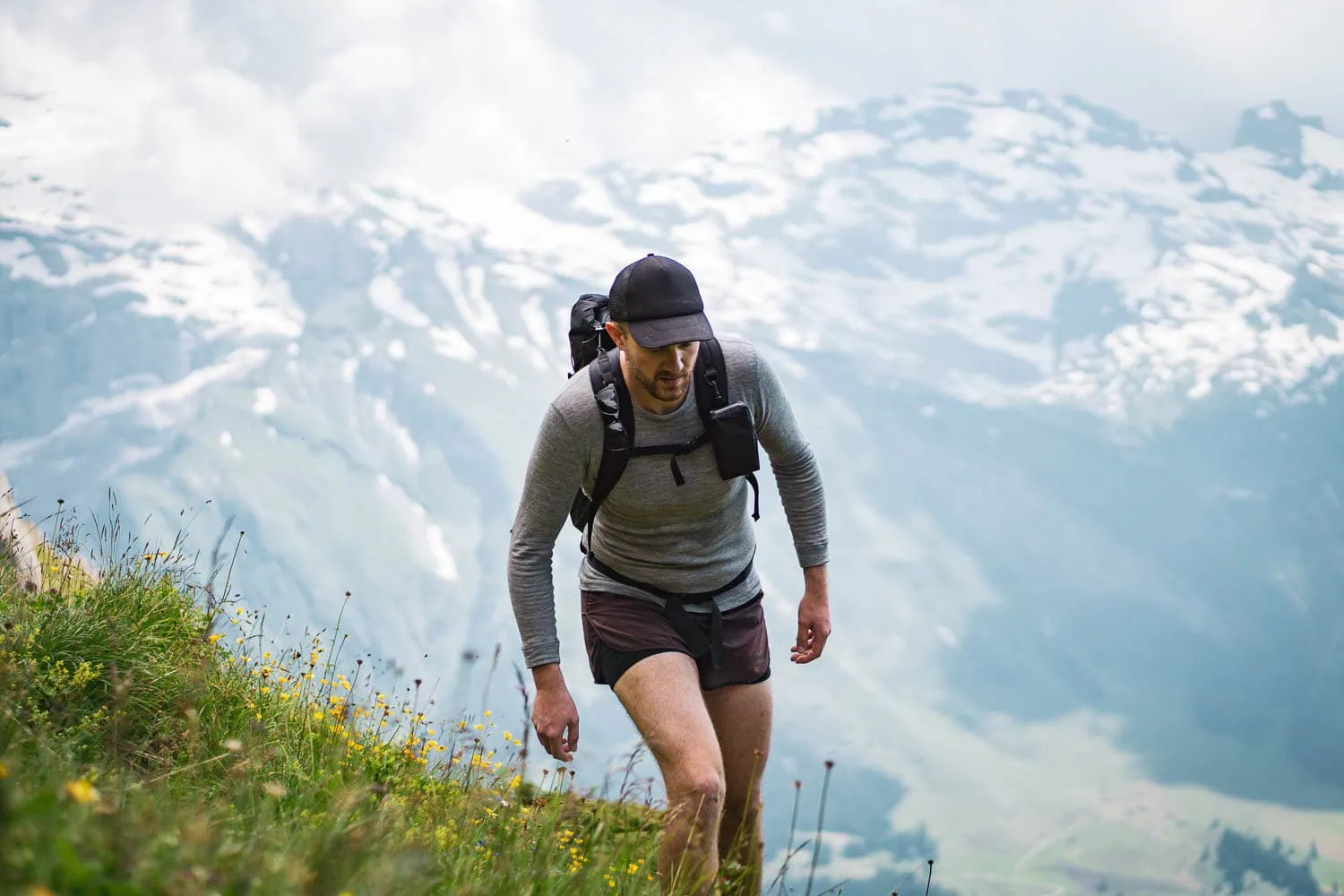
Die meisten Wanderer machen hier den größten Fehler. Doppelt soviel Wechselkleidung wie nötig, Baumwoll-Shirts, schwere Trekkinghosen. Auf einer Hüttentour funktioniert die 3er-Regel mit Merino hervorragend: drei Shirts, drei Garnituren Unterwäsche, drei Paar Socken. Eine Garnitur trägst du, eine ist Ersatz, eine ist sauber für die Hütte. Mit Merino kannst du auf 5 bis 7 Tage am Stück tragen, ohne dass es unangenehm wird.
| Gegenstand | Anzahl | Hinweis |
|---|---|---|
| Wanderschuhe | 1 Paar | Für die Alpen Trailrunner mit Profil bei sportlichen Wanderern, halbhohe Bergschuhe Kategorie A oder B für Einsteiger |
| Wandersocken aus Merino | 1 Paar | Unterwegs getragen |
| Funktions-Unterwäsche | 1 Garnitur | Merino bevorzugt |
| Wanderhose | 1 | Lang oder Zip-off, leichtes Material |
| Funktions-T-Shirt oder Wanderhemd | 1 | Merino oder synthetisch |
| Cap, Hut oder Stirnband | 1 | Sonnenschutz und Schweißfänger |
| Gegenstand | Anzahl | Hinweis |
|---|---|---|
| Wandersocken aus Merino | 2 Paar | Eines als Wechsel, eines für die Hütte |
| Funktions-Unterwäsche | 2 Garnituren | Eine als Wechsel, eine für die Hütte |
| Funktions-T-Shirt oder Merino-Shirt | 1 bis 2 | Bei Hüttentour eines reicht, bei Zelt-Tour besser zwei |
| Lange Funktions-Leggings | 1 | Für kalte Hütten und kalte Nächte |
| Fleece- oder Pullover-Mid-Layer | 1 | Leicht, ca. 200 bis 300 g |
| Sandalen oder Hütten-Schlappen | 1 Paar | Auf den meisten Hütten vorhanden, sonst leichte Birkenstock-Variante |
Wetter- und Schutzkleidung
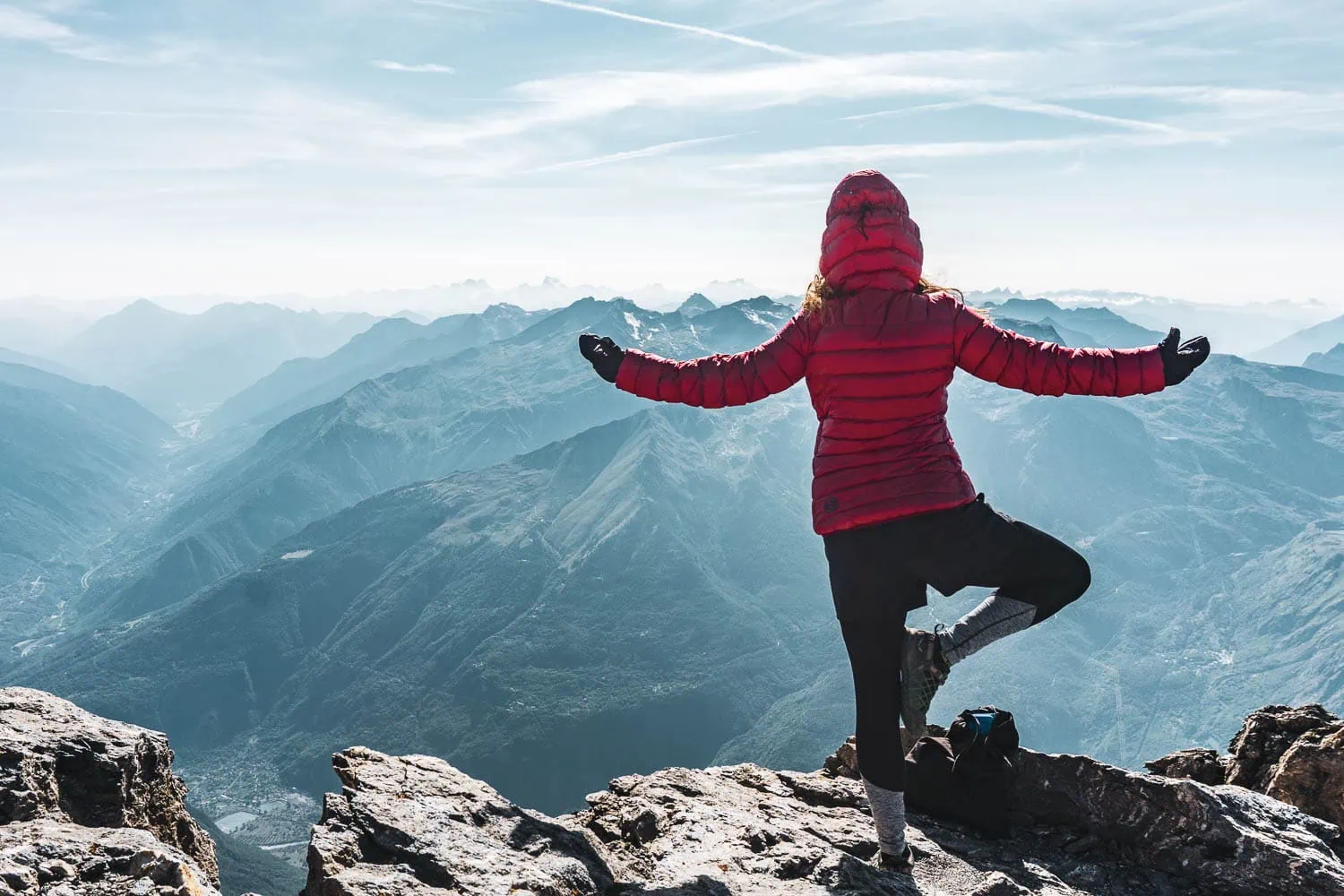
In den Alpen kann das Wetter innerhalb von Stunden umschlagen. Auf 2.500 m kann es im August schneien, im Tal können es trotzdem 30 Grad sein. Zwiebelprinzip ist Pflicht. Die Außenhülle muss wasserdicht und winddicht sein, die Isolationsschicht in den Rucksack passen und schnell hervorholbar sein.
| Gegenstand | Anzahl | Hinweis |
|---|---|---|
| Hardshell- oder Regenjacke | 1 | Wasserdicht und atmungsaktiv, mit Kapuze |
| Regenhose | 1 | Leichte Variante reicht, ab 150 g |
| Daunen- oder Kunstfaser-Isolationsjacke | 1 | Für Pausen und kalte Hüttenabende, ca. 250 bis 400 g |
| Leichte Mütze | 1 | Fleece oder Merino |
| Leichte Handschuhe | 1 Paar | Bei Touren über 2.500 m |
| Sonnenbrille | 1 | Mit UV-Schutz, ab Kategorie 3 |
Schlafsystem
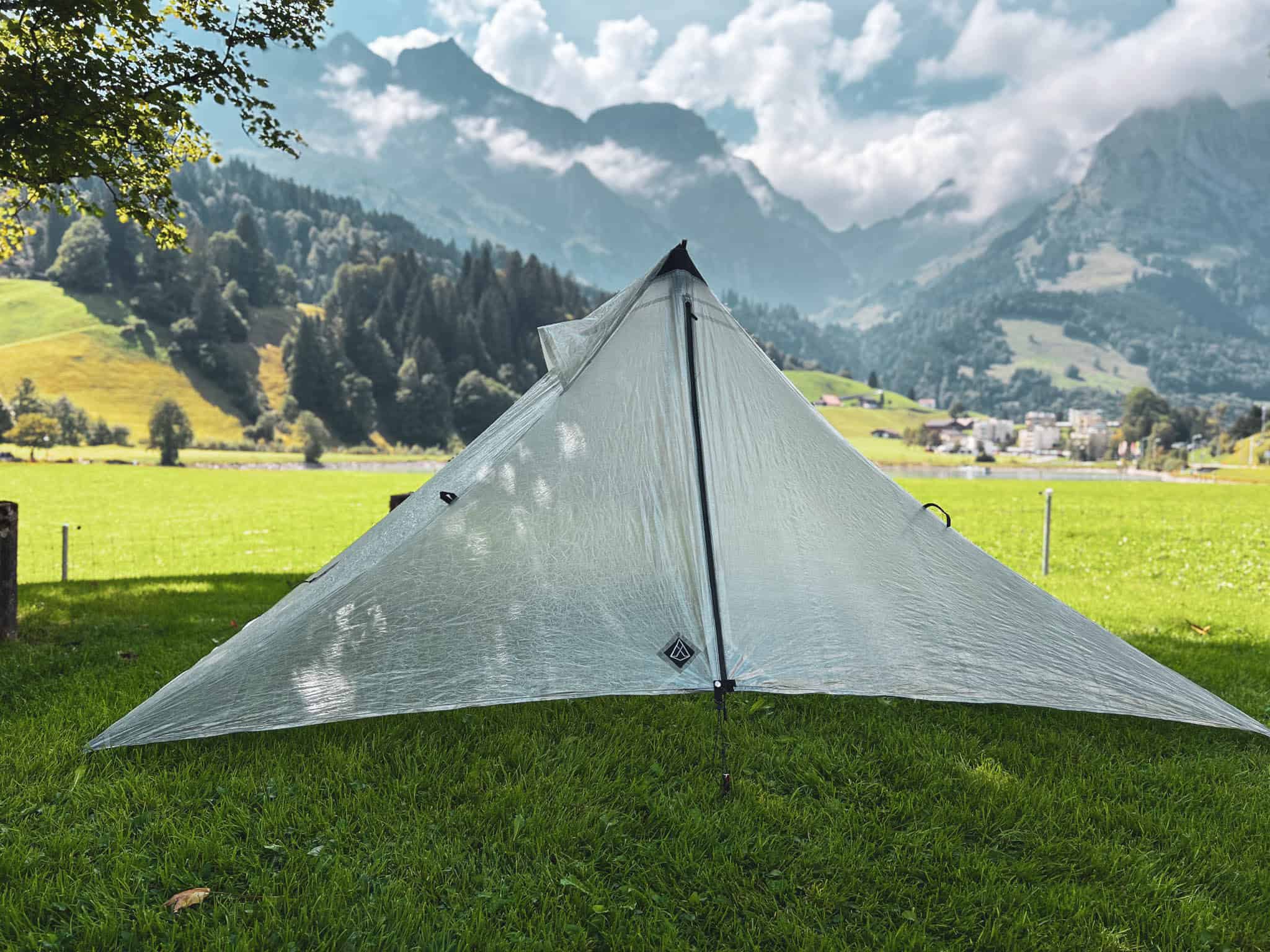
Hier liegt der zweitgrößte Gewichts-Hebel nach der Bekleidung. Auf der Hüttentour reicht ein dünner Hüttenschlafsack aus Seide oder Microfaser. Auf der Zelt-Tour brauchst du Zelt, Isomatte und Schlafsack, hier macht UL-Ausrüstung den entscheidenden Unterschied.
| Gegenstand | Anzahl | Hinweis |
|---|---|---|
| Hüttenschlafsack | 1 | Seide ca. 110 g, Microfaser ca. 200 g |
| Alpenvereinsausweis | 1 | Reduziert die Übernachtungsgebühr deutlich |
| Oropax oder Ohrstöpsel | 1 Paar | In Mehrbettzimmern unverzichtbar |
| Plastiktüte für die Bekleidung | 1 | Bettwanzen-Schutz, fest verschließbar |
| Gegenstand | Anzahl | Hinweis |
|---|---|---|
| Ultraleicht-Zelt oder Tarp | 1 | 1-Personen ab 700 g, 2-Personen ab 1.000 g |
| Schlafsack oder Quilt | 1 | Sommer-Daune ab 350 g, Komforttemperatur passend zur Saison |
| Isomatte | 1 | Aufblasbar ab 350 g, geschlossenzellig ab 200 g |
| Schlafsack-Liner | 1 | Erweitert den Komfortbereich, hygienisch |
Hygiene, Erste Hilfe und Sicherheit
Hier wird oft zu viel mitgenommen. Mini-Mengen reichen für eine Tour fast immer aus. Was du nicht in den ersten drei Tagen brauchst, brauchst du wahrscheinlich gar nicht. Erste Hilfe ist nicht der Bereich, an dem gespart wird, aber auch hier reicht ein kompaktes Set.
| Gegenstand | Anzahl | Hinweis |
|---|---|---|
| Microfaser-Handtuch | 1 | Klein, ca. 50 g |
| Zahnbürste mit gekürztem Griff | 1 | Spart wenige Gramm, aber jedes Detail zählt |
| Mini-Zahnpasta oder DentTabs | 1 | DentTabs sind leichter und reichen länger |
| Flüssigseife | 1 | Dr. Bronner’s, sehr ergiebig, biologisch abbaubar |
| Sonnenschutz | 1 | Mini-Tube mit LSF 30 oder höher |
| Lippenpflege mit UV-Schutz | 1 | Auf 2.500 m ein Muss |
| Klopapier | 1 | Einige Blätter pro Tag in Plastiktüte |
| Gegenstand | Anzahl | Hinweis |
|---|---|---|
| Verbandsmaterial und Pflaster | 1 Set | Verschiedene Größen |
| Blasenpflaster-Set | 1 | Compeed oder ähnlich, frühzeitig anwenden |
| Schmerztabletten | 4 bis 6 | Ibuprofen 400 mg |
| Wunddesinfektion | 1 | Mini-Sprühflasche |
| Zeckenzange | 1 | Auch in höheren Lagen sinnvoll |
| Tape und Kabelbinder | 1 | Für Reparaturen an Schuhen oder Ausrüstung |
| Notfall-Biwaksack | 1 | Pflicht bei Touren über 2.500 m |
| Rettungsdecke | 1 | Im Notfall lebensrettend, ca. 50 g |
Navigation, Elektronik und Verpflegung
Smartphone mit offline-Karten ersetzt heute fast alles, aber Karte und Kompass als Backup gehören dazu. Auf einer Hüttentour ist die Stromversorgung kein Problem, auf einer Zelt-Tour ist eine Powerbank Pflicht.
| Gegenstand | Anzahl | Hinweis |
|---|---|---|
| Smartphone | 1 | Mit offline-Karten (z.B. Outdooractive, Komoot, alpenvereinaktiv) |
| Wanderkarte | 1 | Papier, als Backup |
| Kompass | 1 | Klein und leicht, ca. 30 g |
| Stirnlampe | 1 | Für Hüttenabende und frühe Aufstiege |
| Powerbank | 1 | 5.000 bis 10.000 mAh, je nach Tour-Länge |
| Ladekabel | 1 | USB-C oder Lightning, kurze Variante |
| Trinkflasche oder Trinkblase | 1 bis 2 | 1 bis 2 Liter Kapazität |
| Trekkingstöcke | 1 Paar | Faltbar oder Teleskop, schonen Knie auf Abstiegen |
| Lebensmittel | Hinweis |
|---|---|
| Müsliriegel oder Energieriegel | 2 bis 3 pro Tag |
| Studentenfutter oder Trockenobst | 50 bis 100 g pro Tag |
| Brotzeit | Auf den meisten Hütten als Lunchpaket erhältlich |
| Elektrolyt-Tabletten | Bei Hitze oder hohen Anstrengungen sinnvoll |
Beispiel-Packliste Alpenüberquerung mit Gewichten
So sieht eine konkrete Packliste Alpenüberquerung für eine 7-tägige Hüttentour aus, mit echten Gewichten:
| Kategorie | Weight |
|---|---|
| Rucksack mit Liner | ~620 g |
| Wechselbekleidung im Rucksack | ~750 g |
| Schutzkleidung (Hardshell, Regenhose, Daunenjacke, Mütze) | ~750 g |
| Schlafsystem (Hüttenschlafsack, Oropax) | ~150 g |
| Hygiene und Erste Hilfe | ~350 g |
| Navigation und Elektronik (ohne Stöcke) | ~500 g |
| Trekkingstöcke | ~400 g |
| Trinkflaschen leer | ~80 g |
| BASISGEWICHT GESAMT | ~3.600 g |
Plus 1 bis 2 kg Wasser und 500 g bis 1 kg Verpflegung pro Tag. Das ergibt ein Tour-Gewicht von 5 bis 7 Kilogramm. Bei einer Zelt-Variante kommen Zelt (700 bis 1.000 g), Schlafsack (350 bis 500 g) und Isomatte (300 bis 400 g) dazu, also etwa 1,5 kg mehr Basisgewicht.
7 Tipps zum leichten Packen für die Alpenüberquerung
Wiege wirklich alles
Eine Küchenwaage (gibt es ab 8 Euro) ist das wichtigste Tool bei der Vorbereitung. Erst wenn du weißt, dass dein Mid-Layer 380 g wiegt statt der gefühlten 200 g, kannst du informiert entscheiden. Behälter alleine wiegen oft 200 bis 700 g zu viel.
Setze auf Merino
Funktionsbekleidung aus Merino-Wolle riecht auch nach 5 bis 7 Tagen kaum, wärmt im feuchten Zustand und trocknet schnell. Damit reichen 2 statt 3 Garnituren Unterwäsche und 1 Shirt weniger im Rucksack.
Plane die Wasservorräte etappenweise
In den Alpen gibt es alle 2 bis 4 Stunden eine Hütte oder einen Brunnen. Mehr als 1 bis 1,5 Liter Wasser auf einmal zu tragen ist meistens unnötig. Jeder Liter wiegt 1 kg.
Verzichte auf Originalverpackungen
Sonnencreme in 30-ml-Flasche statt 200-ml-Tube, Zahnpasta in der Mini-Variante, Flüssigseife in 50-ml-Tropfflasche. Spart in Summe oft 300 bis 500 g.
Rucksackliner statt Regenhülle
Ein innenliegender Drybag oder Rucksackliner schützt dein Gepäck deutlich besser gegen Regen als eine äußere Hülle. Das Wasser läuft sonst über den Rückenbereich ins Innere.
Multifunktional packen
Ein Buff ersetzt Stirnband, Schal und Mütze. Eine Daunenjacke ersetzt zusätzlichen Pullover. Trekkingstöcke ersetzen Zeltstangen bei vielen UL-Zelten. Jedes Item, das mehrere Funktionen erfüllt, spart ein anderes komplett ein.
Pack-Probelauf vor der Tour
Vor der eigentlichen Alpenüberquerung mindestens eine 2-Tages-Tour mit dem geplanten Gepäck machen. Was du nicht angefasst hast, bleibt bei der Echt-Tour zu Hause.
Was kann auf der Alpenüberquerung zu Hause bleiben?
Diese Klassiker tauchen auf vielen Mainstream-Packlisten auf, sind auf einer Alpenüberquerung aber meistens überflüssig:
- Großer Reise-Erste-Hilfe-Kasten: Das Mini-Set oben reicht für 95 Prozent aller Fälle. Auf jeder Hütte gibt es größere Vorräte für Notfälle.
- Schwere Daunenweste zusätzlich zur Daunenjacke: Eine Isolationsschicht reicht. Wer es kalt hat, zieht das Wechsel-Shirt unter die Jacke.
- Komplett-Wäsche-Set für jeden Tag: Mit Merino reichen 2 bis 3 Garnituren für 7 bis 14 Tage. Die 3er-Regel ist Standard.
- Klassischer Hüttenschlafsack aus Baumwolle (450 bis 600 g): Seiden-Variante wiegt 110 g und packt sich auf Apfelgröße.
- Reservebatterien für Stirnlampe: Eine moderne Lithium-Stirnlampe hält 8 bis 12 Stunden, das reicht für 7 Tage Hüttenabende. Bei Zelt-Touren über 2 Wochen lohnen sich Reserven.
- Wasserfilter: In den Alpen ist das Wasser auf den meisten Hütten und Brunnen Trinkwasser-Qualität. Wasserfilter sind eher etwas für längere Selbstversorgungs-Touren ohne Hütten.
- Kochset mit Topf und Gas: Auf einer Hüttentour komplett überflüssig. Auf einer Zelt-Tour je nach Konzept (Hüttenessen oder Selbstversorgung) sinnvoll.
- Buch oder Kindle: Nach 8 Stunden Wandern wirst du auf der Hütte nicht lange lesen. Smartphone reicht.
Häufige Fragen zur Packliste Alpenüberquerung
Eine bewährte Faustregel lautet: dein Rucksack sollte nicht mehr als 1/5 deines Körpergewichts wiegen, besser 1/6. Bei einer 70-Kilo-Person sind das 11 bis 14 Kilogramm als absolute Obergrenze. Realistisch und komfortabel sind 8 bis 10 Kilogramm bei klassischer Ausrüstung, 6 bis 8 Kilogramm bei UL-Setup. Mit der Packliste Alpenüberquerung in diesem Artikel erreichst du ein Basisgewicht von 4,5 bis 5,5 kg, das macht den entscheidenden Unterschied auf Aufstiegen und Abstiegen.
Für eine Hüttentour reichen 30 bis 40 Liter, für eine Zelt-Tour mit längeren Resupply-Abständen 40 bis 54 Liter. Je leichter und reduzierter die Packliste Alpenüberquerung ausfällt, desto kleiner kann der Rucksack sein. Ein Volumen über 50 Litern ist auf einer Mehrtagestour in den Alpen in den meisten Fällen ein Indiz für zu viel Gepäck. Mehr zur passenden Rucksackgröße findest du im Ratgeber zu ultraleichten Rucksäcken.
Das hängt von Tour und persönlicher Erfahrung ab. Auf gut markierten Wegen wie E5, TMB oder Heilbronner Höhenweg funktionieren Trailrunner mit gutem Profil hervorragend, vorausgesetzt du bist trittsicher. Für Einsteiger und auf Touren mit Schneefeldern, Schotter oder Klettersteig-Passagen sind halbhohe Bergschuhe der Kategorie A oder B sicherer. Wichtig in beiden Fällen: die Schuhe vor der Tour einlaufen, nicht erst auf Etappe 1.
Für klassische Routen wie E5, TMB oder Heilbronner Höhenweg ist die Hüttenvariante naheliegend. Das Hüttennetz ist dicht, die Etappen sind auf Hütten-Distanzen ausgelegt, und Verpflegung sowie Übernachtung sind gesichert. Für längere und einsamere Touren wie Wien-Nizza oder GTA in voller Länge bietet die Zelt-Variante mehr Flexibilität. Beide Varianten lassen sich auf 4,5 bis 6 kg Basisgewicht bringen. Mehr dazu im Übersichtsartikel zur Alpenüberquerung zu Fuß.
Mit der 3er-Regel kommst du gut aus: 3 Funktionsshirts, 3 Garnituren Unterwäsche, 3 Paar Socken. Eine Garnitur trägst du, eine ist Ersatz, eine ist sauber für die Hütte. Mit Merino-Bekleidung lässt sich diese Regel entspannt einhalten, weil Merino auch nach 5 bis 7 Tagen kaum unangenehme Gerüche entwickelt. Gerade auf einer Hüttentour kannst du Wäsche außerdem einfach auswaschen und über Nacht trocknen.
Ein kompaktes Erste-Hilfe-Set für die Alpenüberquerung enthält: Verbandsmaterial und Pflaster in verschiedenen Größen, Blasenpflaster (Compeed oder ähnlich), Schmerztabletten (Ibuprofen 400 mg), Wunddesinfektion, Zeckenzange, Tape und Kabelbinder für Reparaturen, einen Notfall-Biwaksack und eine Rettungsdecke. Bei Touren über 2.500 m sind Biwaksack und Rettungsdecke Pflicht. Ein großer Reise-Erste-Hilfe-Kasten ist überflüssig, auf jeder Hütte gibt es weitere Vorräte für Notfälle.
In den Alpen liegen Hütten und Trinkwasser-Brunnen meist alle 2 bis 4 Stunden auseinander. 1 bis 1,5 Liter Wasser-Kapazität reichen daher in den meisten Fällen aus. An heißen Tagen oder auf Etappen ohne Versorgung können 2 Liter sinnvoll sein. Jeder Liter Wasser wiegt 1 kg, daher lohnt es sich, die Etappen genau zu planen und nicht mehr Wasser zu tragen als nötig.
Weiterführende Artikel zur Alpenüberquerung
Für die weitere Vorbereitung deiner Alpenüberquerung findest du im WeitLäufer Magazin und auf BergReif diese vertiefenden Ratgeber:
- Alpenüberquerung zu Fuß, Übersicht zu allen großen Routen und Vorbereitung
- Ratgeber zu ultraleichten Rucksäcken, Materialien, Tragesystem, Volumen
- Ultraleicht-Packliste, der systematische Einstieg ins UL-Trekking mit allen Kategorien jenseits der Alpenüberquerung
- Wanderausrüstung-Packliste, Basis-Packliste für Tagestouren und kürzere Mehrtagestouren
- Ultraleicht-Schlafsack Test, 12 Modelle von 340 g bis 1.500 g
- Ultraleicht-Zelt Vergleich, 12 federleichte Modelle für 1 oder 2 Personen
- Wanderschuhe Test, 15 Modelle auch fürs UL-Wandern
- Wanderstöcke Test, Falt- gegen Teleskop, Carbon gegen Aluminium